
Best EMS Boots for EMTs and Paramedics
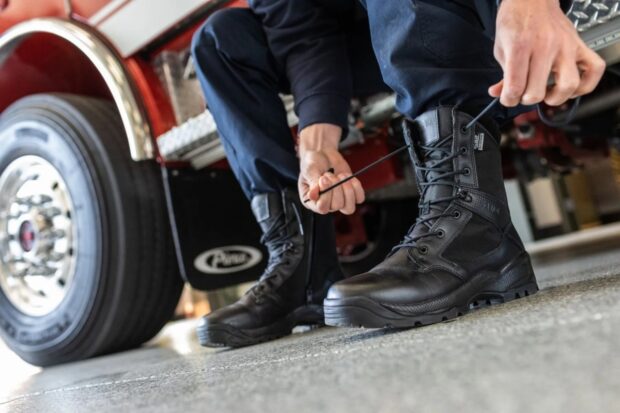
An EMS shift can start in a quiet station and end on a wet highway shoulder, kneeling in fluids that nobody wants on their gear. Boots take most of that punishment. The right pair keeps you steady on stairs and ambulance steps, protects against exposure on scene and stays comfortable for hours. The wrong pair announces itself by the middle of a long shift.
https://www.511tactical.com/
This guide covers:
- What an EMS shift asks of your boots
- The features that matter most
- Choosing a height and closure
- Fit and care for long shifts
What an EMS Shift Asks of Your Boots
EMS work is hard on footwear in ways that ordinary work boots aren’t built for. Crews kneel on pavement, carry patients down narrow stairs and climb in and out of the rig dozens of times a shift. Blood and other fluids are a real exposure risk on scene, and floors in homes, hospitals and ambulances are often wet. A good EMS boot has to handle all of that and still be quick to put on when a call drops.
5.11’s fire and EMS range, for example, builds bloodborne pathogen resistance into its EMT boots and pairs it with options from slip-on ankle styles to 8-inch builds. Weight matters as much as protection, because every extra ounce is lifted with every step of a long shift. That’s why crews tend to look for lightweight boots EMT professionals can rely on, with a sealed upper that wipes clean after a messy call. Try boots on with the socks you wear on duty, since a thick sock can change the fit noticeably.
The Features That Matter Most
Not every feature on a boot box matters equally on an ambulance. Pathogen resistance and slip resistance come first, since they protect against the two hazards crews meet most often. Cushioning comes next, because standing and walking on hard floors for a full tour wears down feet and legs. Everything else is preference.
|
Feature |
Why it matters on calls |
What to look for |
|
Bloodborne pathogen resistance |
Fluids on scene can soak through standard uppers |
A BBP-resistant membrane or material |
|
Slip-resistant outsole |
Wet floors, steps and roadside shoulders |
An ASTM slip-resistant rating |
|
Underfoot cushioning |
Long hours on hard floors and pavement |
Shock-absorbing midsoles and supportive insoles |
|
Waterproofing |
Rain, snow and hose runoff |
A waterproof, breathable membrane |
Boots are only part of the kit, so many crews choose them alongside duty pants and station wear. Looking through 5.11 Tactical’s gear for work and training in one place makes it easier to keep the whole uniform consistent, from footwear to outer layers.
Choosing a Height and Closure
Height and closure decide how fast you can get out the door and how much support you get once you’re there. Slip-on ankle boots are the quickest to put on, which suits station wear and crews who respond straight from the bunk room. Six-inch and 8-inch boots add ankle support on uneven ground, at the cost of a little more weight. A side zip gives you both, since the laces stay set and the zipper does the work. The A.T.A.C. 2.0 8″ Storm, for instance, pairs a YKK side zipper with a waterproof, pathogen-resistant membrane.
Toe protection is the other choice. Safety and composite toes guard against impact and compression, which matters more for crews that work around vehicles and heavy equipment.
Fit and Care for Long Shifts
Shift length changes what a good fit feels like. According to the U.S. Bureau of Labor Statistics, EMTs and paramedics spend considerable time kneeling, bending and lifting, and some work extended shifts of 12, 18 or 24 hours. A boot that feels fine for an hour can pinch badly by hour ten.
Shop for boots later in the day, when feet are at their largest, and walk on a hard floor before deciding. After a call with fluid exposure, clean and disinfect boots according to your agency’s protocol rather than waiting for the end of the shift.
Picking a Boot That Lasts the Shift
The best EMS boots for EMTs and paramedics combine pathogen resistance, a slip-resistant outsole and enough cushioning for long hours, in a height and closure that suit how you respond. Choose lightweight builds where you can, fit them with your duty socks, and keep them clean between calls.
Good boots rarely get noticed on a shift. That’s usually the sign they’re doing their job.
Frequently Asked Questions
Do EMTs need steel toe boots?
Usually not. Toe protection is set by each agency’s uniform policy, and many EMS crews choose soft or composite toes to keep weight down. Crews that regularly work vehicle extrications or industrial calls may benefit from a protective toe, so check your department’s requirements before buying.
What does bloodborne pathogen resistant mean on a boot?
It means the boot uses a membrane or material designed to resist blood and other body fluids soaking through to the foot. OSHA’s bloodborne pathogens standard calls for shoe covers or boots when gross contamination can reasonably be anticipated, which is why many EMS crews look for this feature.
How often should EMS boots be replaced?
Replace them when the tread wears smooth, the cushioning feels flat or the upper starts letting water or fluids through. Crews who work long or frequent shifts usually reach that point sooner, so check outsoles and insoles regularly rather than waiting for sore feet to tell you.