
Innovations in Sail Design Shaping Modern Windsurfing Performance
Cutting-edge sail design is reshaping what’s possible on the water, especially when pushing the limits. From material breakthroughs to aerodynamic fine-tuning, today’s sails can improve control and confidence for high-wind windsurfing.
When the wind picks up and water conditions turn challenging, every detail of your equipment matters. For windsurfers seeking to excel in high-wind and high-speed sessions rather than just casual cruising, innovations in sail technology are not just about incremental gains. They can translate into better control, faster acceleration, and a broader margin for error during demanding rides. Advances in design and material science can help riders tap into more power while maintaining precise handling, ensuring that technical evolution leads to tangible improvements on the water.
Key changes in modern sail construction
Modern sails have changed dramatically compared to earlier generations. The most visible difference is in the use of high-tech composite materials instead of purely woven fabrics. Today’s sails often focus on shedding weight without sacrificing stability, allowing for quicker movements and sharper reactions to wind shifts.
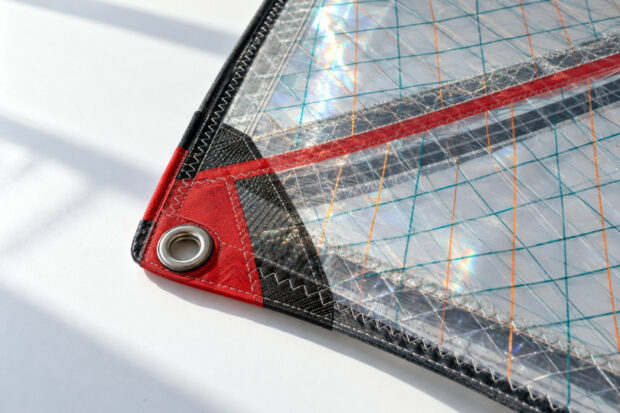
Build methods now incorporate panel layouts engineered for strength where it is needed. Designers map out loads based on stress patterns, placing extra reinforcements in high-wear zones like the tack and clew. During wipeouts or high-load use, these reinforced areas prevent tears and help maintain the sail’s structural integrity. For instance, reinforced clew and tack patches are designed to withstand repeated rigging and sudden pressure spikes, minimizing the risk of material failure and prolonging sail life. This approach enhances durability and helps sails retain their shape after repeated use, so performance stays more consistent session after session.
Material choices and structural engineering
Material science underpins much of the progress in windsurfing. Laminate construction, including combinations of polyester film, scrim, and reinforced monofilm, gives sails the ability to resist stretch while staying supple in critical areas. Reinforcement zones, sometimes featuring aramid fibers, help prevent distortion along key load paths when under tension or when hitting a heavy gust.
This careful balance affects how a sail feels in action. Rigid laminates can improve power transfer and responsiveness, allowing you to drive harder into turns or manage acceleration during a gust. At the same time, flexible sections can prevent the sail from feeling twitchy or unpredictable, which helps when maintaining control on choppy water. For example, a stiffer sail may deliver impressive acceleration but can feel harsher in turbulent or gusty winds, whereas a sail that incorporates more flexible panels may soak up shock in chop, making for a smoother ride yet slightly less direct feedback.
Aerodynamics and shape control
Performance in strong winds is heavily influenced by aerodynamics and the ability to control sail shape. Modern designs use profile stability and twist characteristics to manage both efficiency and control. For example, draft position is carefully managed, and leech tuning helps balance top speed against the ability to depower in a gust.
Innovations in panel shaping and seam orientation mean that twist behavior, how the top of the sail opens or closes in response to wind, is now a tool for tailoring acceleration and handling. The result can be more precise power delivery and more confidence when holding down larger sails in overpowering moments. Many advanced windsurf sails now feature x-ply or tri-ply materials in combination with these design elements, providing both consistent draft and greater resistance to stretching under load. For example, a flatter sail profile created by using more downhaul tension can make the sail easier to control in high winds but may marginally reduce acceleration off the line—an important practical tuning scenario for racers or anyone venturing out in powerful conditions.
Tuning and rigging advancements
Precise rigging is easier than ever with newer sail designs. Developments such as integrated downhaul indicators, extended outhaul ranges, and broad mast compatibility can make it simpler to fine-tune a setup. Small adjustments can produce noticeable changes, whether you want a softer, more forgiving feel or maximum drive for speed.
For example, adding a few millimeters of downhaul tension can increase twist and reduce backhand pressure in gusts, letting you extend your comfortable wind range. If you’re rigging for a squally day with lots of gusts, less outhaul might maintain low-end power but will require more active handling. Better mast compatibility also helps the loaded shape match designer intent when swapping components.
Handling extreme conditions and performance trade-offs
On days with strong gusts, steep chop, or race-course intensity, recent innovations can show their greatest value. Weight savings can reduce fatigue during fast transitions, while stiffness mapping and improved draft stability can help powerful rigs stay more controllable when conditions turn unpredictable. For riders pushing speed or more aggressive maneuvers, these advances can make a noticeable difference.
Yet there are trade-offs. Lighter, stiffer sails can be less forgiving when winds are inconsistent or technique falters. Some riders might select a slightly heavier construction with more robust perimeter reinforcements for stormy sessions, gaining a more dampened, stable feel at the expense of some acceleration. For example, the choice between a featherweight race sail and a bombproof wave sail often comes down to whether the session will involve long, steady runs or frequent wipeouts and aggressive direction changes.
Progression, durability, and what to watch for
For ambitious windsurfers, contemporary sail design can open the door to progression. Extended wind range and easier control can help you master new moves and stay on the water longer without excess strain. At the same time, even advanced materials have limits. High-stress points like batten pockets, foot panels, and seams are common wear areas, so regular inspection remains important. A small nick in a batten pocket, if left unattended, can lead to costly failures during a hard landing or a missed gybe.
Real coastal venues, including windsurfing at Whitecrest Beach, can show how exposure, gusts, and shorebreak make these durability choices matter in practice.
Designers continue to look for ways to strengthen these weak spots without significant weight or cost penalties, but attentive maintenance remains part of responsible gear management in demanding environments.
Future directions and sustainability factors
Looking ahead, engineers are exploring bio-based films and recycled fibers to balance performance with environmental considerations. There is also increased focus on reducing material waste in manufacturing and improving end-of-life options for worn sails. The effort for higher performance is increasingly matched by the goal of minimizing environmental impact, reflecting evolving priorities in the watersports community.