
Safety Gear Every Beginner Needs Before Their First Paintball Match
Anyone who spends time around action sports knows that excitement and safety go hand in hand. Whether you’re riding downhill trails, landing BMX tricks or jumping from an aircraft, the right equipment helps reduce unnecessary risk without taking away the challenge. Paintball belongs in the same conversation. While it might not involve the heights of skydiving or the speeds of mountain biking, it still combines fast movement, rough terrain and high-velocity impacts that deserve respect.
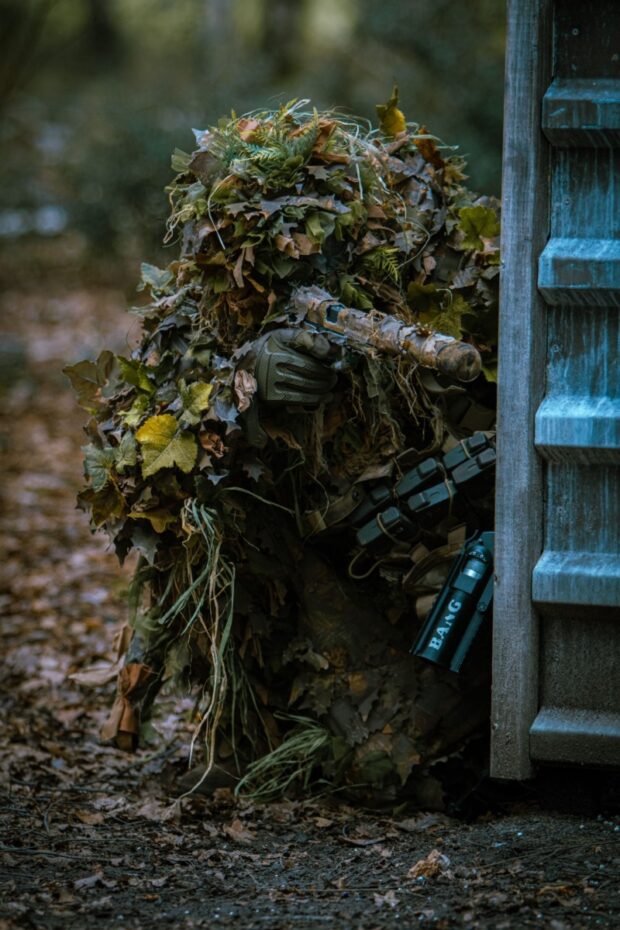
Many first-time players assume a paintball hit is little more than a sting. The reality often comes as a surprise.
A standard paintball can travel at speeds of up to 280 feet per second, striking with enough force to leave bruises, welts and soreness, especially when it hits exposed skin or sensitive areas. Adding diving behind cover, sprinting across uneven ground and sliding into position and it quickly becomes clear why experienced players rely on dedicated protective equipment rather than hoping that thick clothing will do the job.
Why impact protection matters
Paintballs are designed to break on contact, but that doesn’t mean the impact disappears. The energy has to go somewhere and your body absorbs much of it.
Distance also plays a role. A close-range hit generally hurts more because the paintball has lost very little speed before making contact. Multiple hits in the same area can become increasingly uncomfortable, while awkward falls or collisions with bunkers, trees and rocks add another layer of risk beyond the paintballs themselves.
Protective equipment serves several purposes at once. It cushions impacts, reduces friction during slides and dives, and helps players stay focused on the game instead of worrying about every incoming shot. Feeling confident in your gear often makes beginners play more naturally instead of hesitating whenever opponents appear. It can also protect you from the cold weather, ensuring a more enjoyable experience.
Protecting your chest and torso
The torso is one of the most common areas to take hits. While a direct shot to the chest or ribs rarely causes serious injury, it can be uncomfortable enough to distract you during a match.
A dedicated paintball chest protector is designed to absorb some of that impact without restricting movement. Unlike bulky body armour intended for other sports, paintball-specific protection balances padding with flexibility so players can run, crouch and shoulder their marker comfortably.
Some players choose a padded paintball vest, especially during longer sessions or scenario events where repeated hits are more likely. Extra padding can also help when diving behind cover or crawling across rough terrain.
Beginners often worry that additional protection will make them slower. In reality, properly fitted equipment moves with your body and usually feels less restrictive than wearing several heavy layers of clothing.
Knee and elbow protection makes a bigger difference than you think
Paintball rarely involves standing still. You’ll spend much of the day kneeling behind obstacles, dropping to the ground or scrambling across uneven terrain.
Your joints usually notice this long before the paintball impacts do.
Good paintball knee and elbow pads help reduce discomfort from repeated contact with hard surfaces while offering protection during unexpected slips or dives.
Look for features such as:
- Secure straps that keep pads in place while running
- Flexible construction that allows full movement without bunching
- Durable outer materials that resist wear on gravel, dirt and artificial turf
- Padding that absorbs both impacts and pressure during extended games
Comfort becomes increasingly important over a full day of play. Equipment that constantly slips or rubs against your skin quickly becomes more frustrating than helpful.
Don’t forget your hands and neck
Hands are difficult to keep out of the firing line. They’re constantly exposed while holding your marker, reloading or signalling to teammates, making finger and knuckle hits surprisingly common.
Lightweight gloves offer several benefits beyond simple cushioning. They improve grip in wet conditions, protect against scrapes from rough terrain and make accidental contact with branches, bunkers or obstacles less painful.
The neck is another area many beginners overlook until it’s too late. While hits here are uncommon compared with arms or legs, they’re memorable enough that many experienced players wear lightweight neck protectors or padded collars.
The goal isn’t to cover every inch of your body with armour. Instead, it’s to protect the areas where impacts tend to hurt the most while maintaining enough mobility to react quickly.
Building a practical beginner loadout
Buying equipment designed specifically for paintball is usually a better choice than piecing together protection from other sports. Football pads, skate pads or improvised layers might not fit properly under paintball clothing, restrict movement or leave important areas exposed.
If you’re putting together your first kit, focus on purpose-built protective gear for paintball that works together as a complete system rather than buying individual items based purely on price.
A balanced beginner setup typically includes:
- Full-face paintball mask with certified eye protection
- Paintball chest protector or padded paintball vest
- Paintball knee and elbow pads
- Lightweight gloves
- Neck protection
- Durable trousers and long sleeves suited to the playing environment
This approach provides impact protection for paintball where it matters most while allowing you to move freely throughout the day.
Woodsball and speedball need different approaches
Not every paintball field places the same demands on your equipment.
Woodsball takes place across natural environments with trees, rocks, mud and uneven ground. Players often spend more time crawling, kneeling and moving through vegetation, making abrasion resistance just as important as protection from paintball impacts. Slightly heavier clothing and more comprehensive padding can make sense here because the terrain itself creates additional hazards.
Speedball, on the other hand, is played on smaller fields with inflatable bunkers and artificial surfaces. Games are shorter, faster and more explosive. Mobility becomes the priority, so many players prefer lighter protective equipment that still cushions repeated slides and close-range hits without adding unnecessary bulk.
Neither approach is automatically better. Your equipment should reflect the type of field you expect to play most often while still allowing enough flexibility to adapt as your experience grows.
Safety starts before the first shot
Protective equipment isn’t about removing the challenge from paintball. It’s about making sure the inevitable bumps, bruises and impact stays manageable so you can concentrate on learning the game.
For beginners, the biggest mistake is often underestimating how physical a paintball match can become. Between high-speed impacts, uneven terrain and constant movement, properly fitted gear makes a noticeable difference to both comfort and confidence.
Starting with purpose-built equipment also helps establish good habits from your very first match. As your skills develop, your playing style might change, but reliable protection remains one piece of equipment that never goes out of fashion.