
7 Reasons Why RIB Boats Are the Ultimate Adventure Platform
Adventure on the water comes in many forms. One weekend you might be diving on a shipwreck, the next towing a wakeboard across a calm lake or exploring hidden coves that larger boats simply can’t reach. While every activity has its own requirements, one type of boat has earned the trust of professionals and outdoor enthusiasts alike: the Rigid Inflatable Boat, better known as the RIB.
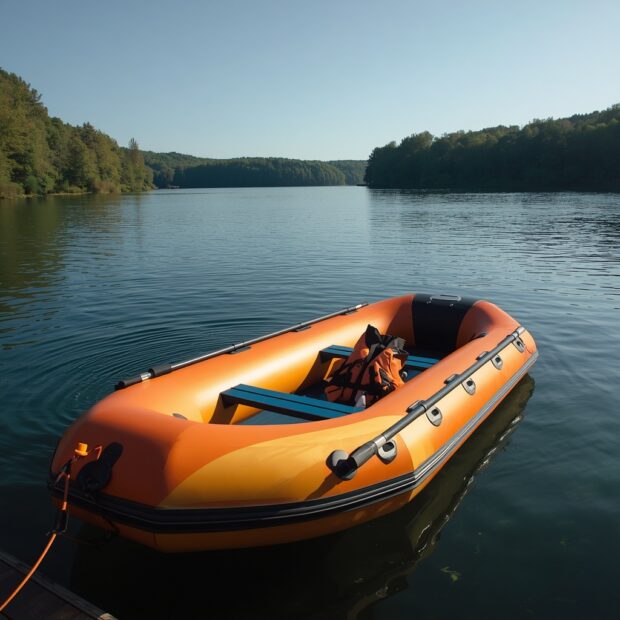
Originally developed for rescue services and military operations, RIBs have gradually become one of the most versatile recreational boats available today. Their combination of a rigid fiberglass or aluminum hull with inflatable tubes provides an ideal balance between performance, comfort, safety and practicality.
Today, dive operators, fishing guides, sailing schools, coast guards and families all rely on RIBs for very different reasons. Whether you’re looking for speed, access to remote locations or simply a reliable platform for spending time on the water, it’s difficult to find another boat that adapts so easily to so many activities.
Here are seven reasons why RIB boats have become the ultimate adventure platform.
1. They Can Reach Places Other Boats Can’t
One of the biggest advantages of a RIB is its ability to access locations that are difficult—or impossible—for heavier boats to reach. Their lightweight construction, combined with a relatively shallow draft, allows them to navigate close to shore without requiring significant water depth.
This opens the door to countless adventures. Hidden beaches, sea caves, narrow inlets, rocky coastlines and isolated islands suddenly become accessible without the stress of worrying about damaging the hull. The inflatable collar also acts as a large protective bumper, making it much less intimidating to approach docks, pontoons or natural shorelines.
Whether you’re exploring the Croatian islands, the Greek Cyclades, Norway’s fjords or the Florida Keys, a RIB gives you the freedom to stop almost anywhere and discover places that many traditional cruisers simply pass by.
For photographers, kayakers or campers looking to establish a base in remote locations, this flexibility is often one of the biggest reasons to choose a RIB over a conventional fiberglass boat.
2. An Outstanding Platform for Diving and Snorkeling
Walk into almost any dive center around the world and chances are you’ll find one or several RIBs tied up at the dock. That’s no coincidence.
The open layout provides plenty of room for scuba cylinders, weight belts, cameras and other bulky equipment without feeling cramped. Divers can gear up while seated along the inflatable tubes before performing an easy backward roll into the water.
Reboarding is equally simple. Unlike many cabin boats with high freeboards, RIBs sit closer to the water, making it much easier to climb back onboard using a dive ladder. The inflatable tubes also provide a soft and forgiving surface for divers recovering in waves.
Because RIBs are generally lighter than similarly sized boats, they require less power to reach offshore dive sites. This means faster trips, lower fuel consumption and more time actually spent underwater.
Whether you’re diving coral reefs, underwater caves or historic wrecks, few recreational boats offer the same combination of speed, deck space and accessibility.
3. Built for Speed and Watersports
If adrenaline is part of your perfect day on the water, RIBs rarely disappoint.
Their lightweight hulls allow them to plane quickly, often requiring significantly less horsepower than comparable fiberglass boats. A modern 6-metre (20-foot) RIB equipped with a 115 to 150 HP outboard can accelerate rapidly while remaining remarkably stable.
This makes them ideal for activities such as wakeboarding, waterskiing and towing inflatable tubes. Drivers can maintain consistent speeds—typically around 18 to 24 knots for wakeboarding and 25 to 35 knots for waterskiing, depending on the rider’s experience—without excessive effort.
The deep-V hull absorbs chop effectively, producing a smoother ride even when conditions become less than perfect. At the same time, the inflatable tubes increase stability when slowing down to pick up a fallen skier or wakeboarder.
Visibility from the helm is usually excellent, allowing the driver to keep an eye on both the rider and surrounding traffic. Combined with quick acceleration and responsive handling, this makes RIBs one of the safest and most enjoyable platforms for tow sports.
4. A Dream Boat for Anglers
Fishing places unique demands on a boat. Stability, deck space, storage and fuel efficiency all play a role, and this is another area where RIBs excel.
The wide beam and inflatable collar provide impressive stability, even when several anglers move around the deck simultaneously. Whether casting for bass near rocky shorelines, jigging over reefs or trolling offshore, the boat remains comfortable and predictable.
Many models offer generous open decks that can easily accommodate rod holders, fish finders, live bait wells and coolers. Because there are few permanent structures onboard, anglers enjoy almost unrestricted movement around the boat when fighting larger fish.
Another advantage is versatility. A RIB can spend the morning exploring shallow estuaries before heading offshore later in the day without requiring a different boat altogether.
When the trip is over, the simple deck layout makes cleaning fish residue, salt and mud quick and straightforward—an appreciated bonus after a long day on the water.
5. Safe, Stable and Trusted by Professionals
One of the strongest endorsements for RIBs comes from the organizations that rely on them every day.
Search and rescue teams, coast guards, military units, harbor authorities and professional skippers across the world all operate RIBs because they offer exceptional seaworthiness and reliability.
The inflatable collar provides additional buoyancy, increasing stability both underway and at rest. Even in rough seas, passengers often feel more secure thanks to the boat’s forgiving behavior and reduced rolling compared with many conventional boats.
The deep-V hull efficiently cuts through waves while the tubes help soften impacts when crossing wakes or approaching docks. This combination inspires confidence whether you’re navigating coastal waters or venturing offshore.
For families, this means a reassuring level of safety. For experienced boaters, it means being able to continue enjoying the water even when conditions become less predictable.
6. Easier—and Often Less Expensive—to Maintain
Adventure boats inevitably endure demanding conditions. Saltwater, UV exposure, repeated launching, beach landings and accidental contact with docks all contribute to wear over time.
Fortunately, maintaining a RIB is generally simpler than many newcomers expect. Regular rinsing after saltwater use, keeping the tubes properly inflated and applying UV protection products can significantly extend their lifespan.
Premium Hypalon® tubes are particularly valued because they resist sunlight, chemicals and temperature variations remarkably well. It’s not unusual to see professionally maintained Hypalon RIBs still in active service after twenty years or more.
From a financial perspective, maintenance can also be surprisingly economical. Minor abrasions or cosmetic damage often require only localized repairs rather than expensive structural work. Compared with major fiberglass repairs—which can quickly cost several thousand dollars after a collision—many inflatable tube issues can be resolved at a fraction of the price.
Understanding proper Inflatable RIB Tube Maintenance allows owners to identify small issues early, helping avoid more extensive—and costly—repairs later.
7. Most Tube Damage Can Be Repaired
One of the biggest misconceptions about inflatable boats is that any damage automatically means replacing the entire tube.
In reality, this is rarely the case.
Most everyday damage consists of superficial abrasions, small punctures, worn rubbing areas or localized tears caused by docks, anchors or rocky beaches. These types of damage can often be repaired professionally while preserving the original tube.
Modern repair techniques have progressed enormously over the past decade. High-quality adhesives and professional-grade fabrics make it possible to restore damaged sections with excellent durability and a clean finish.
Choosing the correct Inflatable Boat Repair Fabric is essential to achieving long-lasting results, particularly on Hypalon boats where material compatibility directly influences repair quality.
Repairing rather than replacing not only reduces ownership costs but also minimizes waste, making it a more environmentally responsible option whenever possible.
The Boat That Adapts to Every Adventure
Few recreational boats are capable of doing so many different things so well. One weekend a RIB can serve as a diving platform, the next as a wakeboarding tow boat, an offshore fishing vessel or a comfortable family cruiser exploring hidden beaches.
Its combination of performance, versatility, safety and relatively straightforward maintenance explains why professionals have trusted RIBs for decades—and why more recreational boaters are discovering their advantages every year.
If your adventures regularly take you onto the water, a well-maintained RIB is more than just a boat. It’s a platform that opens the door to countless experiences, from peaceful coastal exploration to high-speed watersports and unforgettable offshore adventures.