
River Kayaking vs. Lake Kayaking: What Beginners Should Know
For anyone drawn to adventure sports, kayaking offers an accessible yet adrenaline-filled way to get on the water. Before you dive in, consider where you’ll start. River kayaking and lake kayaking may look similar at a glance, but they demand very different skills, mindsets, and levels of awareness. Understanding these differences is key to building confidence, staying safe, and getting the most out of your time on the water.
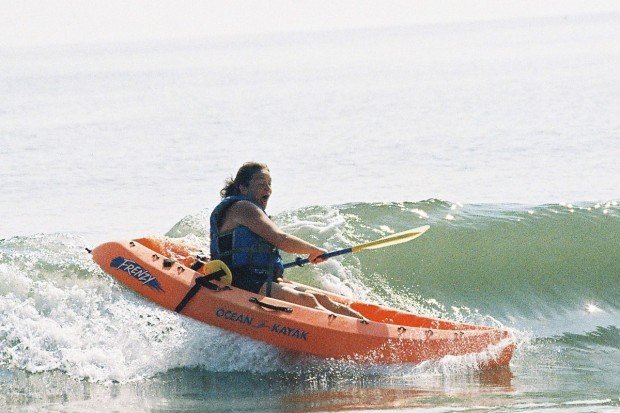
Understanding the Environment
The most fundamental difference between river and lake kayaking comes down to water movement.
Lake kayaking typically takes place on still or slow-moving water. The environment is more predictable, with minimal current and fewer obstacles. This makes lakes an ideal setting for beginners to learn basic techniques like paddling, turning, and maintaining balance.
River kayaking, on the other hand, introduces dynamic water conditions. Even calm rivers have currents that influence your movement, and faster-moving sections can include boat traffic, tighter turns, changing water flow, and obstacles that require quick decision-making. For beginners, this adds both excitement and complexity.
For those looking for a more active paddling experience, rivers often offer more variety in conditions, but they also require a higher level of control and awareness from the start.
Skill Level and Learning Curve
When it comes to skill development, lakes provide a more forgiving environment.
On a lake, beginners can:
- Practice strokes without external pressure
- Learn how their kayak responds to movement
- Build endurance and comfort over time
Mistakes on a lake are usually low-risk, giving new paddlers the freedom to experiment and improve at their own pace.
Rivers accelerate the learning curve. Beginners must quickly adapt to:
- Reading water flow
- Anticipating obstacles
- Controlling speed and direction in moving current
Even mild river conditions can challenge new paddlers, especially if they haven’t yet developed strong foundational skills. That’s why many experienced kayakers recommend starting on a lake before progressing to river environments.
Safety Considerations
Safety is where the differences between these two environments become even more pronounced.
Lake kayaking risks tend to be environmental:
- Sudden weather changes
- Wind creating waves
- Distance from shore
While these factors shouldn’t be underestimated, they are generally easier to manage with preparation and awareness.
River kayaking risks are more immediate and physical:
- Changing water flow
- Obstacles such as tree branches, rocks, or other boats on the waterTighter turns or narrower channels
- Conditions that require quicker decision-making
These elements can create situations where quick reactions are essential. Wearing proper safety gear, including a helmet and personal flotation device (PFD), becomes even more critical on rivers.
For beginners, participating in group kayaking can significantly improve safety in both environments. Being part of a group ensures that help is nearby if something goes wrong and allows new paddlers to learn from more experienced participants.
Equipment Differences
While many basics overlap, the type of kayaking you choose can influence your gear.
For lake kayaking, equipment tends to focus on comfort and efficiency:
- Longer kayaks designed for stability and tracking
- Lightweight paddles for extended use
- Minimal protective gear beyond a PFD
For river kayaking, durability and control are priorities:
- Shorter, more maneuverable kayaks
- Reinforced hulls to handle impacts
- Helmets and additional protective gear
River paddlers also need to think about rescue equipment, such as throw ropes and dry bags, especially when navigating more challenging sections.
Choosing the right equipment isn’t just about performance; it’s about ensuring you’re prepared for the specific demands of the environment.
The Experience: Calm vs. Adrenaline
The overall experience of kayaking differs significantly between lakes and rivers.
Lake kayaking offers a more controlled, often meditative experience. It’s ideal for:
- Building technique
- Enjoying scenery
- Developing endurance
For beginners, this calm environment helps reduce anxiety and allows for steady progress.
River kayaking delivers a more active and fast-paced experience. Navigating currents and obstacles requires focus and quick reflexes, making it appealing to those who crave action. Even moderate rivers can provide a sense of challenge that keeps paddlers engaged.
For beginners who want to build toward more dynamic kayaking experiences, river kayaking often becomes the long-term goal, but it’s best approached with a solid foundation built in calmer conditions.
Choosing the Right Starting Point
If you’re new to kayaking, starting on a lake is generally the most effective way to build confidence and skill. It allows you to focus on technique without the added complexity of moving water.
Once you’re comfortable with:
- Basic paddling strokes
- Balance and control
- Turning and stopping
You can begin transitioning to rivers, starting with slower-moving sections before advancing to more challenging conditions.
This progression helps reduce risk while ensuring that each new experience builds on a strong base of skills.
Building Confidence Over Time
Kayaking, like any sport, is about progression. The goal isn’t to jump straight into the toughest environment, but to develop the skills and awareness needed to handle it safely.
Starting on a lake can mean preparing for challenging rivers. By mastering the fundamentals in a controlled setting, you’ll be better equipped to handle the unpredictability of rivers when you’re ready. River kayaking offers a rewarding next step for those looking to push their limits and embrace the more dynamic side of the sport.
Finding Your Starting Point – and Your Next Challenge
River kayaking and lake kayaking each offer unique experiences, and both have a place in a beginner’s journey. Lakes provide the stability and space needed to learn, while rivers introduce more movement and variety on the water.
By understanding the differences in environment, skill requirements, safety considerations, and equipment, beginners can make informed decisions about where to start and how to progress. With the right approach, kayaking can evolve from a simple introduction to the water into a lifelong pursuit of adventure and exploration.