6 Tips for Choosing a Sports Equipment Supplier
Whether you’re the owner of a local sports team or an athlete looking to turn a vacant space at home into a dedicated fitness area, it’s important to choose only the best quality equipment that offers the best value for your money. Here are a few tips to help you streamline your search for an equipment seller you can trust.
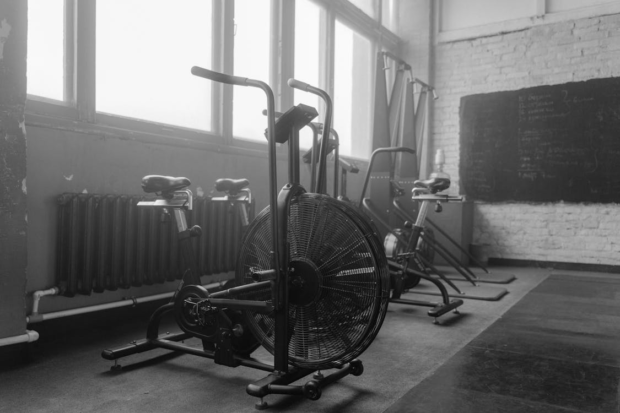
Photo by Tima Miroshnichenko from Pexels
1. Determine Your Needs
Before you get around to shopping for sports gear, it pays to have a clear idea of what to buy for your next training session or extreme adventure. Consider what matters most to you when you’re buying clothing for hiking or running shoes. It also helps to factor in your level of experience and skill in the sport. For sure, you wouldn’t want to spend on advanced gear if you’re still a beginner, so be sure to choose a supplier that sells options for first-timers.
Also crucial is knowing how much you’re willing to spend on gear without compromising safety. Set a budget and use it as your reference for comparing different brands until you find one you can afford.
2. Know the Brands and Products They Carry
You should have a good idea of what brands deserve a spot in your arsenal of sporting gear. If you’re looking for workout equipment, some suppliers are recognized vendors of brands like Technogym and Nordictrack. Especially if you’re planning to purchase durable, high-end treadmills and rowing machines, you will need to look for suppliers with showrooms featuring a diverse range of fitness brands.
If you’re looking for budget equipment, there might be stores that carry products from a brand you may not have heard of before. Still, it pays to keep in mind that the size of your budget determines the kind of value you get. You shouldn’t expect cheaper products to last long or perform just as well as established brands.
3. Determine the Kind of Market They Cater
Regardless of your goals in shopping around for exercise machines, you will have to make sure that the supplier caters to the needs of buyers like yourself. There’s always a store that specializes in selling home fitness equipment that’s compact and easy to maintain.
Surprisingly, there are some brands selling correctional fitness equipment to prison facilities. If you’re running a local gym that’s growing, you can increase your stock of machines by buying in bulk from business-to-business vendors. You’re likely to receive discounts as well as installation and maintenance services.
When it comes to sporting apparel, you may want to shop around for gear being sold by brands that provide options across all skill levels. If you want to get started in trail running, consider looking for a store selling shoes designed to withstand rugged terrain as well as breathable clothing that keeps you dry during steel climbs. Whichever the case, there’s always a sports brand that’s tailored to the needs of a niche audience.
4. Assess the Quality in Person
The money you spend on sports equipment should go towards brands that are well-known for being durable and long-lasting. If it’s your first time buying, it would be better to purchase equipment at a physical store rather than taking your chances shopping online. You wouldn’t know for sure if the equipment you want is just as sturdy as it looks on a social media post or brochure. Getting a good feel of the construction makes all the difference.
If quality is a top priority in choosing sports gear, then visit your nearest athletics store and find the equipment that delivers the best value in terms of longevity and performance. As you do so, don’t focus too much on the price. If you have found the cheapest product on the market, give it a second thought. That’s not to say every budget brand isn’t reliable considering there are decent ones that offer both quality and affordability. The only way you can know for sure is when you check how the product looks and feels and determine whether the design gives a premium feel.
5. Check Their Reputation
You can’t be too sure if the supplier you’re contacting is the best possible option. It may have a legitimate website, but it might not have a stellar reputation among buyers within and outside your location. To be sure, always look up a supplier online and see if it has been the subject of numerous complaints from past clients.
Red flags may include overpriced equipment, as well as a lack of certification and a license to operate. You should also check whether they have a strong after-sales process and transparent pricing that includes shipping and handling fees.
If you’re planning to visit a sporting goods store you haven’t been to before, you may want to run a quick Google search and check whether the business has been flagged for unethical and unlawful business practices. Another red flag you must avoid is when the brand sources its goods from sweatshops and creates products from protected wildlife and vegetation.
6. Pay Attention to Their Customer Service Process
It’s crucial to reach out to multiple suppliers and request brochures or quotes to help you compare different products. More importantly, you will need to talk directly with a representative of a supplier and ask questions about their experience in the industry and the quality of equipment they carry.
You know they’re the right ones if they’re able to provide personalized recommendations instead of upselling more expensive products. You might want to pick a supplier that agrees to a good deal if you’re buying an entire exercise set or if you’re procuring the machines in bulk. Whichever the case, select the supplier that puts your needs first.
Even more crucial is knowing the brand’s warranty policy. If you’re looking for a fitness tracker with the same features and quality as brands like Garmin, make sure the device is covered by a warranty.
7. Know Who Supports the Brand
While this might not be directly related to a product’s actual value, the personalities endorsing the brand sends signals of trustworthiness and reliability. That’s not to say buying the same style of cleats as Lionel Messi will instantly make you a good football player, but their role as brand ambassadors speaks volumes about a brand’s reputation.
With this in mind, it matters just as much to identify celebrity endorsers supporting the brand. You will want your values to align with their personal advocacies. Their level of fame won’t hide the fact that they may be supporters of movements and organizations that contradict your beliefs, so it pays to consider the reputations of celebrities, whether good or bad, as you make your final choice.
Endnote
Since you will be spending a great deal of time and money to acquire sports equipment, you should be able to make the most of it by keeping these essential tips in mind.