
Trail-Proof Your Ride: How To Reduce Wear And Tear On Off-Road Adventures
Off-road routes reward commitment, but they also punish every weak link in your setup. Repeated hits, dust, mud and heat combine to wear down parts much faster than normal driving. Instead of accepting constant breakdowns as the price of adventure, you can build a strategy that hardens your vehicle against abuse before you air down and leave the pavement.
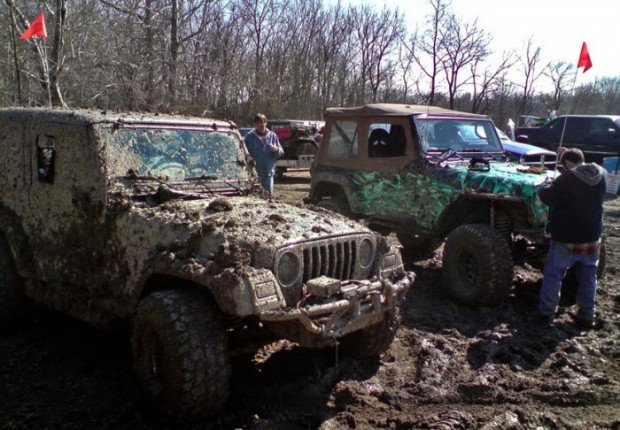
Knowing where off-road wear really shows up, including electrical gremlins, wandering steering, cupped tires, noisy drivetrains and scars along the body and undercarriage, you can attack those weak spots with targeted gear, smarter driving and consistent maintenance.
Extreme sports enthusiasts already analyze lines, speed and risk. The same mindset applies to vehicle longevity. Select equipment that takes hits without failing, treat maintenance as part of the experience and carry recovery and repair gear that turns a potential tow into a quick trail fix. With that approach, you spend more days exploring and fewer weekends dealing with surprise repairs.
Recognize the Common Signs of Off-Road Wear
Off-roading leaves a predictable signature on your vehicle. When you know the most common symptoms, you can catch issues early instead of waiting for failure.
- Electrical and Cooling System Issues: Loose connectors from vibration, chafed wiring or clogged radiators and condensers from mud and debris often cause intermittent faults and overheating on climbs and in slow technical sections.
- Suspension and Steering Strain: Knocks, clunks, extra body roll or vague steering usually signal worn bushings, bent components or loose hardware from repeated hard impacts.
- Tire Wear and Tear: Cupping, sidewall cuts and chunked tread blocks often appear after running low pressures, carrying heavy loads or hitting sharp rocks at speed.
- Drivetrain Stress: New whines, clunks during shifts or difficulty engaging four-wheel drive suggest that repeated high-load situations are stressing gears, joints and shafts.
- Paint and Body Scratches: Brush, gravel and tight lines leave cosmetic damage that can eventually turn into rust if you ignore it.
- Undercarriage Damage: Dents in fuel tanks, scraped crossmembers and hammered exhausts show that obstacles hit critical components instead of sliding under armor.
When you treat these signs as data instead of surprises, you adjust your setup and habits prior to the big trip.
How to Protect Your Vehicle From Trail Wear
Take several steps to protect your vehicle from a lot of trail wear. These steps will help ease the financial burden of repairs after every ride:
Reinforce With Protective Gear
Armor gives you a margin of error when you misjudge a line or drop deeper into a rut than you expected.
- Skid Plates and Rock Sliders: Strong underbody plates that protect your engine, transmission, transfer case and fuel tank, while rock sliders take hits that would otherwise crush steps or door sills.
- Bull Bars and Heavy-Duty Bumpers: Reinforced bumpers help guard critical front-end components, including radiators, lights, condenser and the grill against rocks and low-speed impacts.
Well-chosen armor allows you to commit to technical sections without gambling on thin factor protection.
Upgrade for Durability
Some components do not thrive in harsh off-road conditions, especially when you load a vehicle for remote trips.
- Off-Road Tires: All-terrain or mud-terrain tires with appropriate load ratings handle sharp rocks, loose climbs and variable surfaces better than street-focused rubber.
- Shock-Absorbing Suspension: Quality shocks and matched springs control repeated compression and rebound on washboards, whoops and rocky tracks, reducing stress on chassis and the occupants.
These upgrades not only improve capability, but they also reduce the cumulative fatigue that extreme routes impose on your vehicle.
Perform Routine Maintenance
Maintenance acts as your main defense against accelerated wear. Off-road abuse magnifies small oversights, so consistency matters.
- Check the Fluids and Undercarriage: Before and after trips, inspect the engine oil, coolant, brake fluid and power steering fluid. Look under the vehicle for fresh leaks or new damage.
- Clean and Lubricate Moving Parts: Mud and dust work their way into hinges, joints and linkages. Cleaning and lubrication keep everything operating smoothly.
- Monitor Tire Pressure and Tread Wear: Regular pressure checks and visual inspections help spot slow leaks, uneven wear or damage that could lead to blowouts far from help. Always manually check the tires with a tire gauge instead of relying on tire pressure sensors.
Many enthusiasts keep common spares including belts, hoses, fuses and fluids on hand – often sourcing them in advance from a trusted auto parts seller – so they can handle basic fixes immediately.
Drive Smart on the Trail
Driving style plays a huge role in how quickly your vehicle wears out. Small changes pay off over hundreds of trail miles.
- Choose the Correct Line: A thoughtful line reduces the number of direct hits to vulnerable components and keeps your suspension working in its ideal range.
- Control Speed on Rough Terrain: Excess speed over washboards, rocks or ruts multiplies impact forces and can overwhelm shocks, mounts and brackets.
- Use Low Gear When Necessary: Low-range gearing helps you maintain control at slow speeds on climbs and descents while reducing drivetrain strain and heat.
When you focus on smooth, controlled progress rather than constant throttle, you protect your vehicle and the trail.
Essential Off-Road Recovery and Repair Gear
Even the best-prepared vehicles encounter issues in remote terrain. Carrying the proper tools and supplies turns many breakdowns into manageable delays.
- Tire Repair Kit and Portable Air Compressor: You can fix many punctures and reset pressures after airing down for the trail.
- Winch and Tow Straps: Properly rated straps and a winch allow you to recover from deep ruts, mud, sand or snow without relying solely on momentum.
- Hi-Lift Jack and Recovery Boards: These items help you lift, support and extract a stuck vehicle when traditional jacking points or firm ground are hard to find.
- Basic Tool Kit and Spare Parts: Wrenches, sockets, pliers and select spares, such as U-joints, bolts, belts and fuses, allow you to address minor mechanical issues on the trail.
When you treat recovery gear as essential equipment instead of optional extras, you greatly reduce the chance that a simple issue cuts your adventure short.
Trail-Proof Your Ride
Off-road adventures will always leave some mark on your vehicle, but you choose whether that mark looks like controlled wear or avoidable damage. By recognizing common signs of off-road stress, reinforcing vulnerable components with armor, upgrading key systems for durability and keeping your maintenance tight, you keep your vehicle ready for the next trail instead of stuck at the shops.
Smart driving habits and a thoughtful recovery kit complete the picture, giving you confidence to push harder without gambling on your vehicle’s survival. With a trail-proofed ride, you can focus on the lines ahead, not the repair bills waiting at home.
Author bio: Thomas Walden is the eCommerce Manager at Parts Via, a supplier of auto and RV parts. With nearly two decades of experience in the automotive industry, Walden has developed a focused strength in bridging the gap between automotive and RV brands and retail outlets, leveraging a unique ecommerce sales network to reach consumers.