
Thin Air, Long Days, and Mental Grit: What Really Makes Everest Base Camp Trek an Extreme Challenge
Almost over 5000 meters above Sea level, every breath becomes a conscious effort. Morning begins in freezing air, legs already heavy from the previous day, while the horizon offers no shortcuts only distance. The Everest Base Camp is often describing as the walk through the Himalayas, but that description barely scratches the surface. In reality, it unfold as prolonged test of endurance where the thin air, long days, and the mental resilience determine who adapts and who struggles. There is no technical climbing involved, yet few journey expose human limits as steadily or honestly as this one. The challenge is not about skill, but about how the body and mind cope where the oxygen is scarce and recovery is incomplete.
Thin Air and Physiology of Altitude
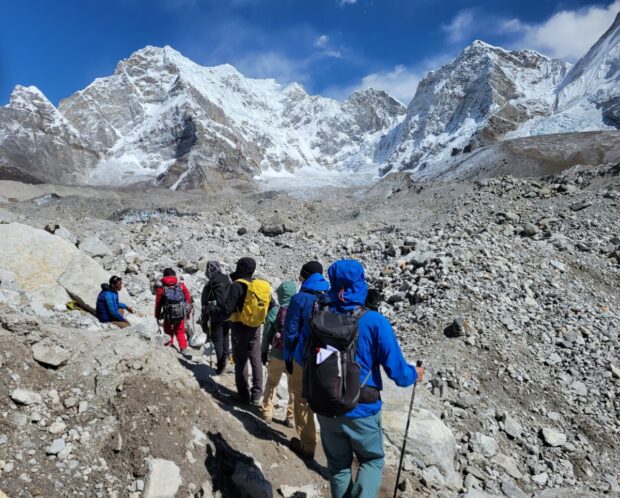
Altitude is one of the defining factors in Everest Base Camp route. As the altitude increases, the oxygen level drops, meaning each breath deliver less usable oxygen to bloodstream. By the time trekkers move beyond 3,000 meters, the shortage of oxygen becomes impossible to ignore. Heart rate increases, breathing becomes hard, and the movements that would feel effortless need intention.
The body attempts to adapt by producing more red blood cells and adjusting the breathing pattern, but these changes needs time. During these changes, stamina drops noticeably. Muscle fatigue faster and even in gentle uphill section can leave trekkers catching their breath. Sleep is often disrupted as the body struggles to regulate breathing at nights, leading to lighter rest and feeling more fatigue.
The most serious consequence of the altitude is Acute Mountain Sickness (AMS). Headaches, Nausea, dizziness, and the loss of appetite are common warning signs that body is not functioning well. Unlike other injuries or muscle soreness, AMS cannot be pushed through willpower alone. If the symptoms are ignored then it can result into very dangerous situation which can potentially threaten the trekker’s life. For this reason altitude is the true danger of trekking to Everest Base Camp.
Long Days, Repetitive strain, and Cumulative Fatigue
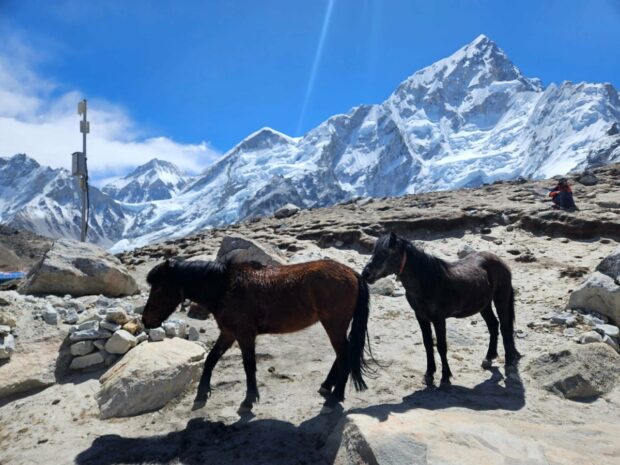
While the Altitude creates physiology challenge, the duration of Everest Base Camp trek brings endurance test. The journey to EBC unfolds up to 2 weeks of continuous movements, often involving around 8 hours of walk in a day. The terrain is rarely technical, but it is very uneven. Stone staircases, rocky trails, suspension bridges, and the glacial debris demand constant balance and concentration.
Elevation gain is rarely straightforward. Any other day can consists of climbing hundreds of meters, descending in to the valley. These repeated ascent and descent can place stress on knees, ankles, and hips. Muscles are not given rest and the minor fatigue & pain slowing become more persistent companions.
Cold temperature is also major challenge for this trek, it amplify this strain. Early morning is bitter and evening brings little relief, especially at the higher altitude where heating is limited. Lodges are basic with thin mattresses and shared place. Nutrition is simple and repetitive, and appetite often declines with the elevation of the trek.
Cumulative Nature makes the fatigue more challenging. No single day feel overwhelming at first, but the effects add up quietly. Legs feels heavier each morning, reaction time gradually decreases, motivation must be summoned rather than assumed. Over time, the trek shifts from physical challenge to an exercise in sustained energy management. The body is slightly depleted, always operating with small deficit, and learning to function at that state becomes the experience.
Mental Grit in Remote, High Pressured Environment
As the more physical fatigue increases, the mental challenge becomes increasingly difficult. The EBC trek takes place in remote area with limited comforts and distractions. Daily life routine become simple: walking, eating, sleeping, and preparing for the next day. Communication with outside world become minimal.

Mental fatigue often rises from monotony rather than the drama. Progress can feel slow, each day resembling last day. The beauty of Himalayas is vast and impressive, but the repetition of effort can dull even spectacular views. Discomfort is very common as, the hand feels gold, dry air, sore shoulders, shallow breathing. There are few moments where the body feels fully ease.
Uncertainty adds physiological pressure. Weather can delay progress. Heath can change unexpectedly. The decision to continue or turn back is rarely clear cut and often deeply personal. Maintaining the expectations becomes as important as maintaining the pace.
Mental resilience on trek is quiet and practical. It shows the patience and discipline. The ability to focus small, controllable actions, eating even when appetite is low. Walking slowly when ego want speed, taking rest when there are chance-these choices require self-awareness. In this environment success depend less on motivations and more in consistency and discipline.
Why Everest Base Camp Qualify as an Extreme Adventure
The EBC trek is qualifies as one of the most extreme adventure in world not because of its technical difficulty, but because of sustained exposure to environmental stress. Extreme altitude replaces the extreme terrain, Endurance replace speed. And the consistency replaces the motivation.
Trekkers are not racing or competing, yet the environment is unforgiving. Mistakes in pacing, hydration, or judgment can have serious consequences. The trek demands the respect of body limits. This balance between-endurance and caution-defines the experience.
As the real world example, the EBC trek illustrates that extreme challenges always do not appear dramatic. There are no summits to stands on, no equipment to master. Instead, the difficulty is internal and cumulative. It treats how well the human body has adapted and how mind responds when comfort and certainty are gradually removed.
Final Thoughts
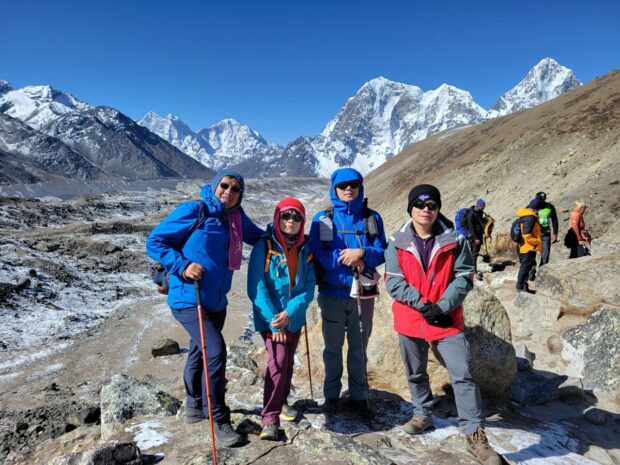
Trekking to the Everest Base Camp is not about reaching the peak of the world; it is about enduring the environment steadily strips comfort. Thin air, repetitive effort, and isolation work together to challenge physical capacity and mental resolve. What elevate EBC trek into realm of extreme adventure is not the presence of danger, but the quiet persistence its demand.
The real goal of this trek is not the photo of EBC. But the discipline required to arrive there healthy and aware. For those drawn testing the boundaries, Everest Base Camp offers something rare: an honest measure of how long the human body and mind perform and mind can perform under the pressure, long after novelty fades and only endurance remains.