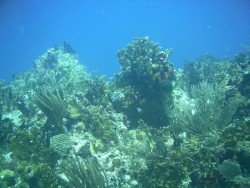
Dee Why Wide, Midway Reef
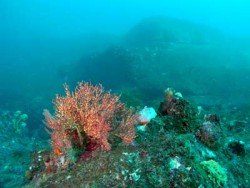
Midway Reef, also know as Dee Why Wide, consists of a wall that starts at 22 m/72 ft and drops to 36 m/118 ft.
Home > WATER SPORTS > Scuba Diving > WIT Concrete Wreck, Saint Thomas
St. Thomas is well-known as the mecca for wreck fans, as it offers many spectacular wreck dive sites. With a great selection of coral reefs and a wide variety of fish species, this tropical destination attracts divers at any time of the year.
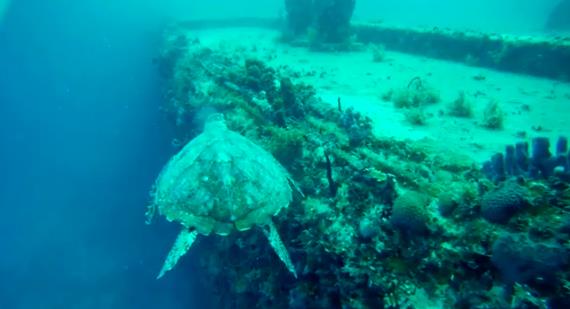
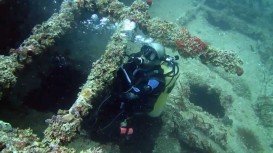
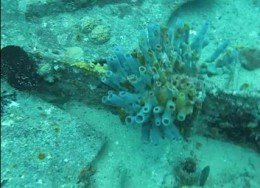
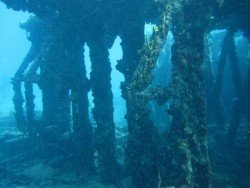
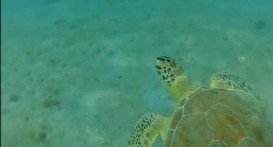
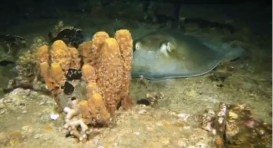
The WIT Concrete was a bulk carrier that was used to transfer fuel in the Pacific, during World War II. Unfortunately, it sank near Crown Bay during the Hurricane Marylyn in 1995. Today, it lies almost intact and upright in 31.1 m/102 ft from the surface. Divers can explore the decks and discover a lot of the internal fixtures. The site is teeming with marine life and it is usual to encounter schools of horse-eye jacks, sharks, southern stingrays, turtles and lobsters. With colorful sponges and various soft and hard corals, the spot attracts experienced divers all year round.
The average water temperature varies from 75°F/24°C in winter to 80°F/27°C in summer and the visibility ranges from 10 m/32.8 ft to 30 m/98.4 ft. Last but not least, you should book your dive in advance, as access to the dive site is only by boat. So, if you want to experience an unforgettable dive, come along, WIT Concrete awaits!!!

Midway Reef, also know as Dee Why Wide, consists of a wall that starts at 22 m/72 ft and drops to 36 m/118 ft.
If there was ever a place, called underwater paradise on earth, it would be at the Raja Ampat Islands. Located on the northwest end of New Guinea Island in Indonesia, Raja Ampat is an archipelago with more than 1500 islands, coral reefs and sandbars, situated in the Coral Triangle and surrounded by the majestic Pacific Ocean.
Cromwell is a small town, situated in Otago region, in the South Island, New Zealand. It lies on the shores of Lake Dunstan and is located only at 34 mi/55 km from Wanaka and 38 mi/62 km from Queenstown.
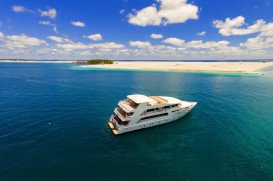
The island nation of Maldives is found in the Indian Ocean, southwest of India and Sri Lanka in the Laccadive Sea or Lakshadweep Sea. Comprised of more than a thousand islands grouped in 26 atolls, it enjoys a tropical climate with hot and humid days and temperatures around 24-33°C/75-91°F year-round. The southwest Monsoon brings significant rain to the area from April to October, particularly June to August. Don't let the rain deter you from visiting though, as what you can suspect from the coconut palm and the yellow-fin tuna, symbols of this island nation, the Maldives is a paradise on earth synonym to memorable experiences!
Ponta Do Ouro is the southern most village in Mozambique and is a popular holiday destination. It lies on the Mozambique Channel, southern of Maputo and just northern of the border with South Africa. Ponta Do Ouro boasts pristine beaches and is well known for its long stretches of white beaches. There are no tarred roads, therefore it is only accessible by 4x4 vehicles.
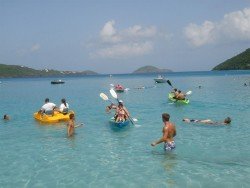
The Virgin Islands of the United States, or the U.S. Virgin Islands lie in the Caribbean Sea, east of Puerto Rico. This group of islands consist of the main islands of Saint Thomas, which is home to the capital city of the U.S. Virgin Islands, Saint John, Saint Croix, Water Island and other surrounding minor islands.The climate here is classified as tropical savanna climate, mostly affected by moderate trade winds.