Scuba Diving in CD’s Bommie, Marion Bay, Yorke Peninsula,
South Australia Australia
Maximum depth:
114ft/35m
Skill level:
Advanced
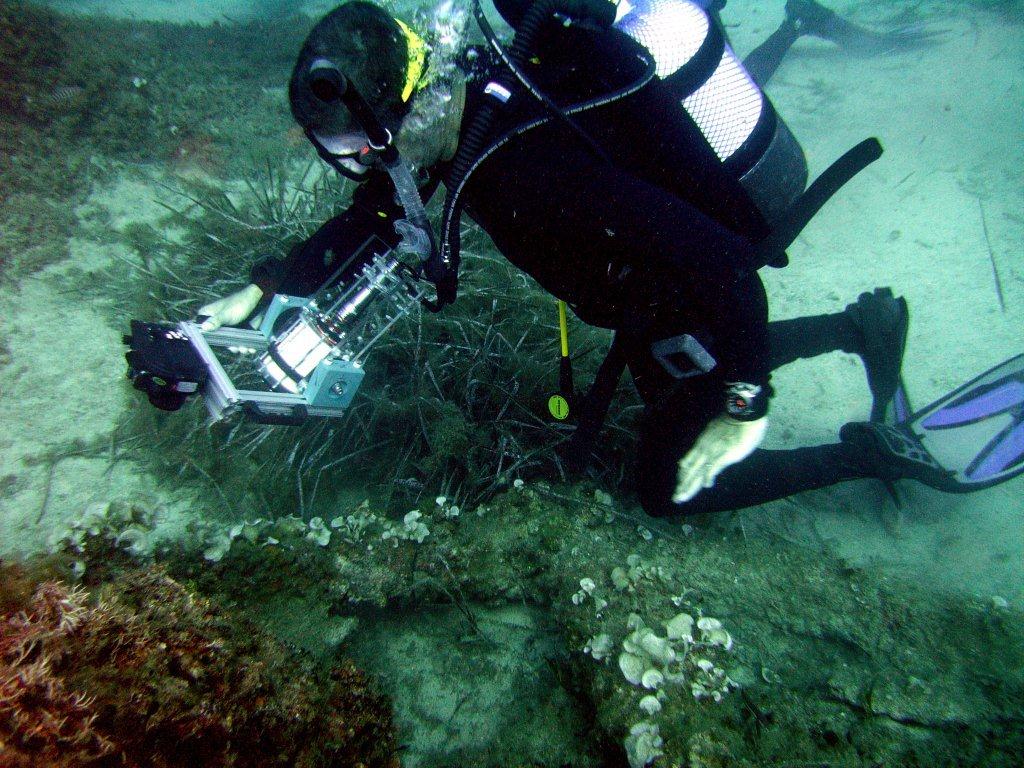
CD's Bommie is a challenging spot for scuba diving, located in Marion Bay, Yorke Peninsula. The spot is a huge 500 m/1640 ft across bommie that drops at 32 m/104 ft in depth.
Minimum winter temperatures average around 4°C/39.2°F and the maximum can reach 40°C/104°F during summer. Due to the colder southern ocean waters a wetsuit is often required for skin-diving or scuba diving activities or for any prolonged periods in the water even in the warmer summer months.
Air refills for scuba tanks are available at various locations throughout Yorke Peninsula. However, there is only a diving school which is based in Adelaide, organizing scuba diving in CD’s Bommie, accessible by boat from Marion Bay.
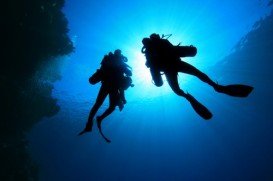
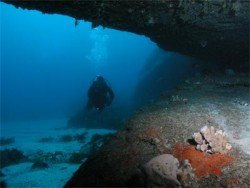
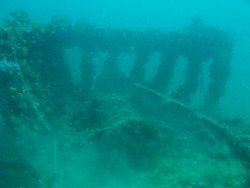
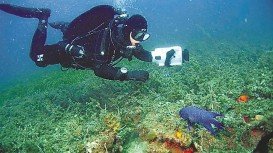
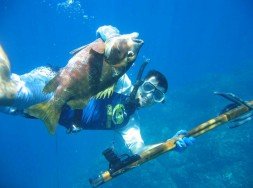
The spot is recommended only for advanced divers. The maximum depth of the dive spot is at 35 m/114 ft while the average visibility is at 20 m/65 ft long. Usually there are no underground currents so let yourself to be seduced by the beauty and the variety of the marine life of the spot: bulls-eyes fishes , Blue Devils fishes, boar-fishes, blue groupers and crayfishes, Nannaguis, Snappers and Abalones attract your attention and keep you busy for as long as your air lasts long in your tube.
Accommodation options and leisure activities are located in Marion Bay, while the Innes National Park gives you a good chance to redefine your touch with nature.
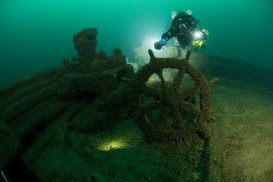
Lake Huron, the second largest of the Great Lakes and the third largest fresh water lake of the world, accommodates many shipwrecks. Large number of ships have sunk in the Straits of Mackinac, many of them not yet found. One of the shipwrecks that has been discovered is William Young.
Hispaniola Island is divided into two nations. Haiti is standing on the western side of the island, while Dominican Republic is located on the eastern side. The island is lying in the northern Caribbean Sea. Dominican Republic is situated on the south-eastern side of Cuba, on the eastern side of Jamaica and on the western side of Puerto Rico.
The Virgin Islands of the United States, or the U.S. Virgin Islands lie in the Caribbean Sea, east of Puerto Rico. This group of islands consist of the main islands of Saint Thomas, which is home to the capital city of the U.S. Virgin Islands, Saint John, Saint Croix, Water Island and other surrounding minor islands.The climate here is classified as tropical savanna climate, mostly affected by moderate trade winds.
Sunshine Coast is situated between Port Elizabeth and East London in the Eastern Cape province of South Africa. Beset with countless little villages with access to the beach, it's a holiday maker's dream destination. All these little villages offer access to the beach, lagoons and trails to explore. The climate here is sub-tropical with temperature in winters at 21°C/69.80°F and summers at 30°C/86°F.
Hispaniola Island is located in the northern Caribbean Sea. It is standing on the western side of Puerto Rico and south-east of Cuba. Hispaniola is divided into 2 nations. Dominican Republic is located on the eastern side of the island and Haiti on the western side. The capital of Dominican Republic is Santo Domingo.
Adelaide, the liveliest city in Australia, is the capital of South Australia state and is situated on the Adelaide Plains and more specifically at the north side of Fleurieu Peninsula. The city is built next to Torrens River and is surrounded by the Mount Lofty Ranges and the Gulf St Vincent.
Adelaide, the liveliest city in Australia, is the capital of South Australia state. The city is situated on the Adelaide Plains and more specifically at the north side of Fleurieu Peninsula. The city is built next to Torrens River and is surrounded by the Mount Lofty Ranges and the Gulf St Vincent.
Port Victoria is a town on the Spencer Gulf coast of southern Yorke Peninsula, situated only at 192 km/119 mi away from Adelaide in South Australia. Port Victoria Jetty is centrally placed on the Yorke Peninsula, an ideal base from where you can explore the wider area.
Adelaide, the liveliest city in Australia, is the capital of South Australia state. The city is situated on the Adelaide Plains and more specifically at the north side of Fleurieu Peninsula. The city is built next to Torrens River and is surrounded by the Mount Lofty Ranges and the Gulf St Vincent
Adelaide, the liveliest city in Australia, is the capital of South Australia state. The city is situated on the Adelaide Plains and more specifically at the north side of Fleurieu Peninsula. The climate is considered to be Mediterranean, with dry and hot summers when temperatures can reach up to 42°C/107.60°F, and humid and cool winters with frequent rainfalls. Established in 1898, Kuipto Forest was the first of many forest plantations in the Mount Lofty Ranges, planted at the turn of the 20th century to ensure a sustainable timber supply for South Australia.
Adelaide, the liveliest city in Australia, is the capital of South Australia state and is situated on the Adelaide Plains and more specifically at the north side of Fleurieu Peninsula. The city is built next to Torrens River and is surrounded by the Mount Lofty Ranges and the Gulf St Vincent.
Adelaide, the liveliest city in Australia, is the capital of South Australia state and is situated on the Adelaide Plains and more specifically at the north side of Fleurieu Peninsula. It was built next to Torrens River and is surrounded by the Mount Lofty Ranges and the Gulf St Vincent. The climate is considered to be Mediterranean, with dry and hot summers and temperatures that can reach up to 42°C/107.6F°, and humid and cool winters with frequent rainfalls.
Ardrossan Barge is the ideal location for spearfishing fans. The Ardrossan barge was sunk on purpose at the southeast of the town back in 1984 in order to replace access to the historic Zanoni shipwreck site.