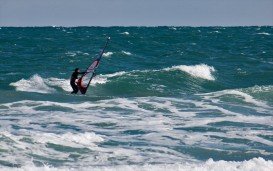
Ocean Beach, San Diego
Ocean Beach is located in San Diego on the Southern coast of California.
Home > BOARD SPORTS > Wind Surfing > Seacliff Beach, Adelaide
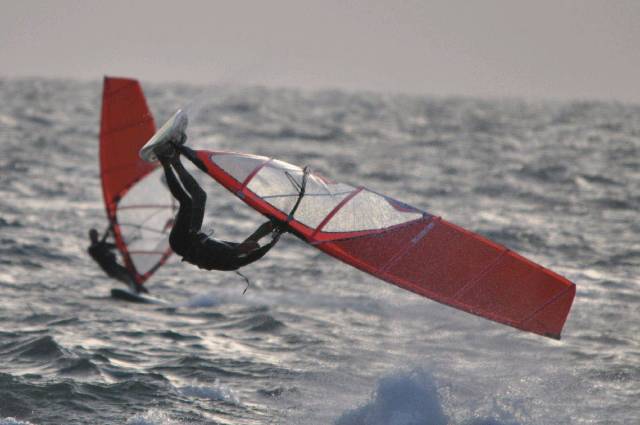
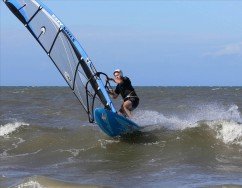
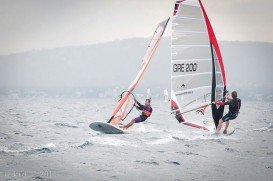
Adelaide is a popular destination for the lovers of windsurfing offering a great number of beaches suitable for this extreme sport. Seacliff Beach, situated on the southwest side of the city, is a historical beach as far as windsurfing is concerned. It combines both sand and reef, and provides perfect wave/slalom conditions.
The sea-breezes are smooth and pretty light during summertime, helping the beginner windsurfer. The winds have speeds from 10 to 20 kn/18.5-37 kph and are South South-Easterlies, whereas water temperature ranges between 20-22°C/68-71.60°F. Swell rates are usually no more than 1 m / 3 ft.
Note: Pay attention to the rocky shoreline located in front of the caravan park.

Ocean Beach is located in San Diego on the Southern coast of California.
Perth is the capital city of Western Australia, located on the Swan River. The climate here is classified as Mediterranean, with hot and dry summers and cool and wet winters. Immerse yourself in the unique combination of stunning natural surroundings, beautiful beaches with clear waters, greenery park-lands and outstanding city architecture that attract visitors all year long.
Sandend is a small fishing village in the north of Aberdeenshire, at 84 km/52 mi away from Aberdeen.
Torbole, Malcesine and Limone, in Garda Lake area, in north Italy, are considered to be the paradise of windsurfers, not only in Italy but in entire Europe as well, thanks to the excellent weather conditions.
Pleasure Bay, nestling Castle Island, is one of Boston’s most popular beaches and a place for a number of extreme sports. The island, litteraly connected to the mainland, is home to Fort Independence, a National Historic Landmark, and Pleasure Bay features a sandy beach and swimming in a calm, enclosed lagoon.
Adelaide, the liveliest city in Australia, is the capital of South Australia state and is situated on the Adelaide Plains and more specifically at the north side of Fleurieu Peninsula. The city is built next to Torrens River and is surrounded by the Mount Lofty Ranges and the Gulf St Vincent.
Adelaide, the liveliest city in Australia, is the capital of South Australia state. The city is situated on the Adelaide Plains and more specifically at the north side of Fleurieu Peninsula.
Adelaide, the liveliest city in Australia, is the capital of South Australia state. The city is situated on the Adelaide Plains and more specifically at the north side of Fleurieu Peninsula. The city is built next to Torrens River and is surrounded by the Mount Lofty Ranges and the Gulf St Vincent.
Built in 1873, Edithburgh Jetty is 170 m/557 ft long and 12 m/39 ft wide, and it is considered to be the most popular dive on the Yorke Peninsula, at 250 km/155 mi in the west of Adelaide, providing with unlimited scuba diving and underwater photography.
Adelaide, the liveliest city in Australia, is the capital of South Australia state and is situated on the Adelaide Plains and more specifically at the north side of Fleurieu Peninsula. It is built next to Torrens River and is surrounded by the Mount Lofty Ranges and the Gulf St Vincent.
Althorpe Island is located opposite the Innes National Park, in Yorke Peninsula. The spot is an tiny island, studded with dive sites walls of over 65 ft/20 m, three wrecks and seal colonies to name a few. Minimum winter temperatures average around 4°C/39.2°F and the maximum can reach 40°C/140°F during summer.
Adelaide, the liveliest city in Australia, is the capital of South Australia state. The city is situated on the Adelaide Plains and more specifically at the north side of Fleurieu Peninsula. The city is built next to Torrens River and is surrounded by the Mount Lofty Ranges and the Gulf St Vincent.
Stenhouse Bay is a small settlement at the southern end of the Yorke Peninsula in South Australia, on the eastern side of Innes National Park. This is a dive spot which is not for the faint-hearted, and should definitely be attempted when the swell is at a minimum.
Following the implementation of a Protected Zone around the historic Zanoni shipwreck in 1983, the Australian Department of Fisheries decided to establish a new artificial reef nearby, and acquired an obsolete barge for the purpose.