Seawolf Wreck, Adelaide
Adelaide, the liveliest city in Australia, is the capital of South Australia state. The city is situated on the Adelaide Plains and more specifically at the north side of Fleurieu Peninsula.
Home > WATER SPORTS > Scuba Diving > Notre Dame d’Arvor, Wardang Island
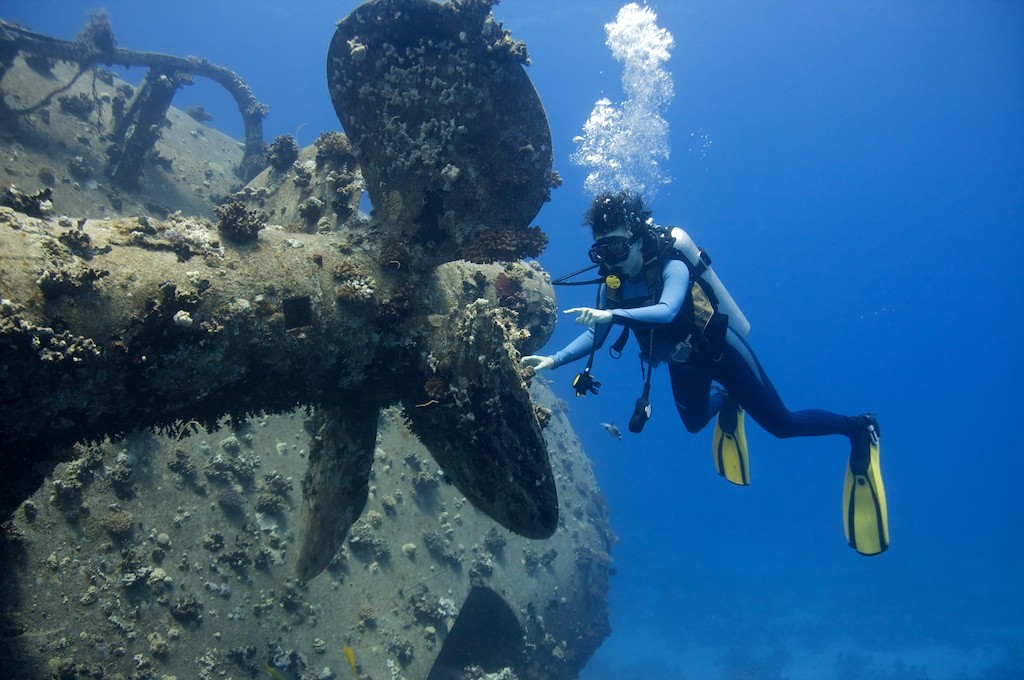
The island serves as a natural breakwater, protecting the former grain port of Port Victoria from ocean currents. The waters around Wardang are popular with recreational divers because of the opportunities for wreck diving. The Notre Dame d’Arvor wreck represents one of the eight wrecks identified in the spot, on the south of the Wardang Island.
Notre Dame d’Arvor was a barque that ran a ground on Wardang Island on March, 20th, 1920. The wreck was gutted by an accidental fire the following May 1921. The spot is part of the Wardang Island Maritime Heritage Trail. The wreck is located at 12 m/39 ft depth below sea level and is ideal for amateur divers. Check out the Maritime Museum of Port Victoria for artifacts of some early dives.

Adelaide, the liveliest city in Australia, is the capital of South Australia state. The city is situated on the Adelaide Plains and more specifically at the north side of Fleurieu Peninsula.
Perth is the capital city of Western Australia, located on the Swan River. The climate here is classified as Mediterranean, with hot and dry summers and cool and wet winters. Immerse yourself in the unique combination of stunning natural surroundings, beautiful beaches with clear waters, greenery park-lands and outstanding city architecture that attract visitors all year long.
Ushuaia is the capital city of the Tierra del Fuego province in Patagonia, commonly referred as the southernmost city in the world, being also an important naval base. It is located in a wide open bay, on the south coast of Isla Grande de Terra del Fuego and bordered in the north by the Martial mountain range.
Victoria is the second-smallest state of Australia. It borders with New South Wales to the north and Tasman Sea to the east. The unique combination of spectacular coastline, pristine beaches, numerous national parks, dense forests and mountains attract visitors all year long and offer a plethora of activities to sport lovers.
Brac Island is located in the Adriatic Sea and it is the largest island in Dalmatia, close to the Croatian shoreline. With an unspoiled natural environment, Brac island's landscapes are dominated by numerous coves and isolated beaches with the clearest waters and amazing limestone round valleys and hills, covered with pine and fig trees.
Pefkos is a small village on eastern coast of Rhodes island in Greece, the largest of the Dodecanese islands, in the southeast Aegean sea. It was known as a fishermen village, located along the coastal road. Now it is a beach resort with a veil of pine trees in every direction, that's why it was named Pefkos.
Built in 1873, Edithburgh Jetty is 170 m/557 ft long and 12 m/39 ft wide, and it is considered to be the most popular dive on the Yorke Peninsula, at 250 km/155 mi in the west of Adelaide in South Australia.
Marion Bay is on the doorstep to some of the best beaches in Australia that host a rich maritime history. The main surf break at Pondalowie Bay is a popular quality wave. The wave is a combination of left and right peak that break over a reef and sandy bottom.
Moonta Bay and Port Hughes are close neighboring spots for skim-boarding. Sandy beaches and crystal blue waters, beach-side cafes and historic jetties make this location the ideal destination for skim-boarding fans. The spot is ideal for beginners and advanced fans of the sport.
Following the implementation of a Protected Zone around the historic Zanoni shipwreck in 1983, the Australian Department of Fisheries decided to establish a new artificial reef nearby, and acquired an obsolete barge for the purpose.
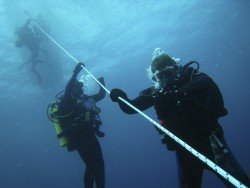
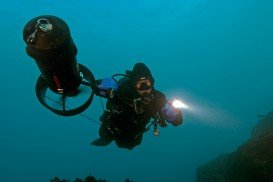
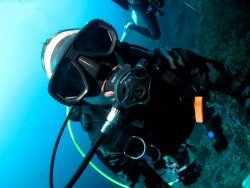
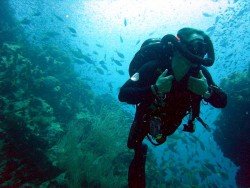
Seawolves Cove is a rocky spot for scuba diving, located in Marion Bay, Yorke Peninsula. Minimum winter temperatures average around 4°C/39.2°F and the maximum can reach 40°C/104°F during summer.
The Wallaroo Jetty is one of Australia's longest jetties and is heavily used. Wallaroo is around at 155 km/96 mi in the northwest of Adelaide. It was the discovery of copper in the late 1880s that led to the settlement. Wallaroo makes part as one of the three towns which form the Copper Triangle.
'Chinamans' is a powerful and hollow left hand reef break, located close to Marion Bay at Yorke Peninsula. The spot breaks in shallow water and washes over a rock shelf. This becomes a high quality wave that is suitable only for skilled surfers and caution should be used when surfing here.
Stenhouse Bay is a small settlement at the southern end of the Yorke Peninsula in South Australia, on the eastern side of Innes National Park. A wide variety of fish species can be caught off beaches in the park or the Stenhouse Bay Jetty.