Gap Cave, South Head
South Head is the southern headland of the entrance to Sydney's Harbor, at the north of the suburb of Watsons Bay. Hornby Lighthouse, the third oldest lighthouse in New South Wales, is located in South Head.
Home > WATER SPORTS > Scuba Diving > Miss Opportunity, Saint Thomas
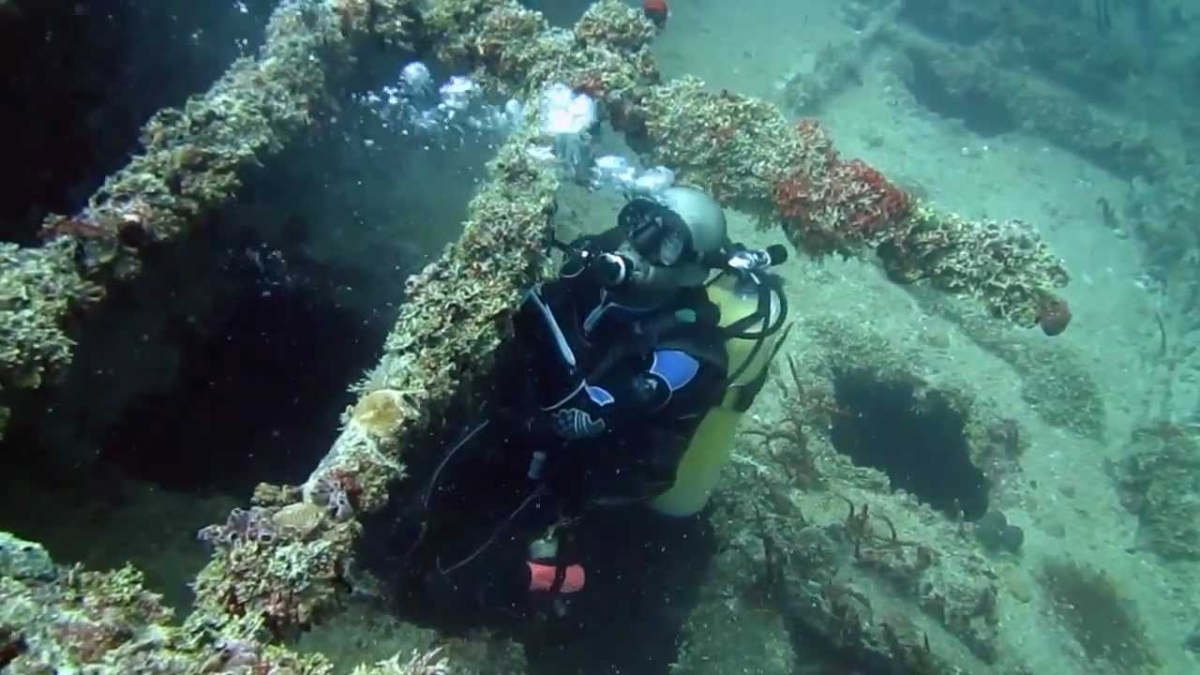
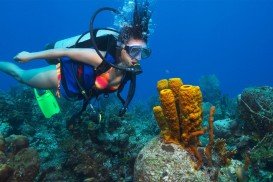
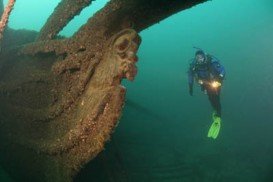
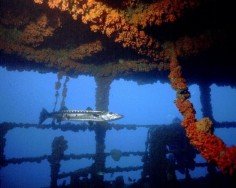
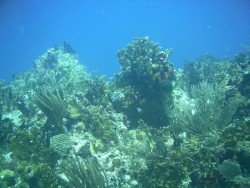
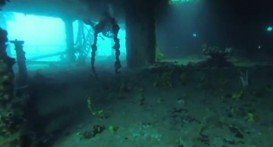
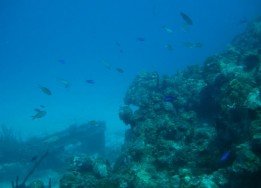
St. Thomas is home to a fine selection of coral reefs, a wide variety of fish species and a great collection of wreck dives. The Miss Opportunity was a hospital ship that was intentionally sunk in 1985. Nowadays, she lies on her right side in 95 ft/28.9 m below the surface, on the west side of the island.
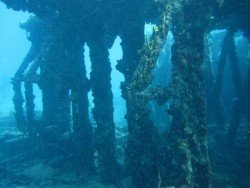
Divers can swim through lots of swim-throughs, especially at the stern and explore the decks, as the ship is almost intact. In addition, you can see schools of horse-eye jacks, barracuda, lobsters, southern stingrays, nurse sharks and hawksbill turtles, as well as colorful corals and sponges. The visibility here is good and ranges from 10 m/32.8 ft to 30 m/98.4 ft. You can dive this amazing site at any time of the year, due to its sheltered location.
Furthermore, the average water temperature varies from 75°F/24°C in winter to 80°F/27°C in summer. Keep in mind that you should book your dive in advance, as access to the spot is only by boat. Finally, the dive site accommodates advanced divers, due to its depth. So, if you love wreck diving, Miss Opportunity guarantees memorable moments!!!

South Head is the southern headland of the entrance to Sydney's Harbor, at the north of the suburb of Watsons Bay. Hornby Lighthouse, the third oldest lighthouse in New South Wales, is located in South Head.
Cenote Dos Ojos is located in the south of Playa Del Carmen and in the north of Tulum. It is standing at the eastern side of Mexico and belongs to the state of Quintana Roo. The exploration of Dos Ojos has begun in 1986 and it still goes on by fellow divers. The extension of this cave system is about 61 km/38 mi long.
The Turks and Caicos Islands lie in the Lucayan Archipelago and are a British Overseas Territory consisting of eight islands: West Caicos, Providenciales, East Caicos, South Caicos, North and Middle Caicos, Grand Turk and Saly Cay. Only East and West Caicos are uninhabited. Apart from a superb tourist destination, they are also well-known as an offshore financial center. The climate of the islands is classified as marine tropical, providing relatively consistent temperatures throughout the year.
Cuba nestles at the crossroads of the Caribbean. Whether you are a nature lover or a culture vulture, it is certain that Cuba will enchant you with its unparalleled beauty. Havana is the capital city of Cuba and the largest one in the Caribbean with many places of historical interest, including castles, museums and cathedrals. The climate here is classified as tropical, with an average temperature of 69.8 °F/21 °C in winter and 80.6 °F/27 °C in summer.
Victoria is the second-smallest state of Australia. It borders with New South Wales to the north and Tasman Sea to the east. The unique combination of spectacular coastline, pristine beaches, numerous national parks, dense forests and mountains attract visitors all year long and offer a plethora of activities to sport lovers.
If you need a change and you are looking forward in something different, then Atlantic Beach is the most appropriate place to visit. It is a town in Carteret Country, North Carolina, United States. Atlantic Beach is one of the five communities, located on Bogue Banks.
The Virgin Islands of the United States, or the U.S. Virgin Islands lie in the Caribbean Sea, east of Puerto Rico. This group of islands consist of the main islands of Saint Thomas, which is home to the capital city of the U.S. Virgin Islands, Saint John, Saint Croix, Water Island and other surrounding minor islands.The climate here is classified as tropical savanna climate, mostly affected by moderate trade winds.