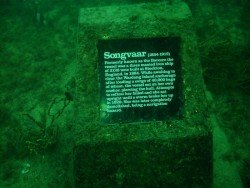
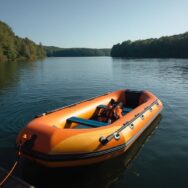
Songvaar, Wardang Island
Wardang Island, also known as Wauraltee Island, is a small island of 20 km²/7.7 mi² in the Spencer Gulf, at 10 km/6 mi in the northwestern coast of Port Victoria on the Yorke Peninsula, South Australia.
Home > WATER SPORTS > Scuba Diving > Jibacoa, Santa Cruz del Norte
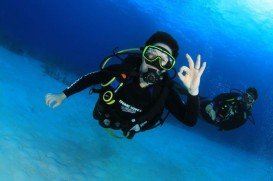
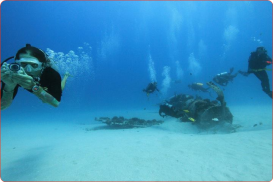
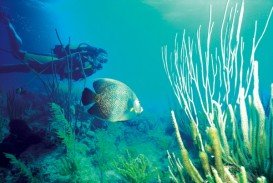
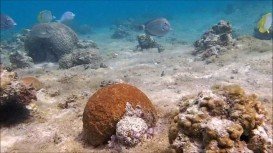
Jibacoa is a fishing village and it provides one of the best locations on the island for snorkeling and scuba diving. Admire the beautiful sea anemones and explore the colorful reef formations, where many tropical Caribbean species coexist.
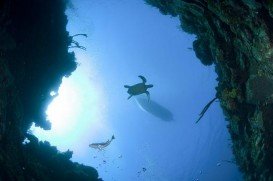
With warm, clear waters divers are able to see an amazing marine life, including balloonfish, blue tank, parrotfish, sharksucker, yellow stingray, octopus, moray eels and seahorses. The maximum depth of the spot is 6.1 m/20 ft. Currents are generally not strong and visibility is good, ranging from 10 m/32.8 ft to 30 m/98.4 ft. Jibacoa accommodates both the novice and advanced diver. In addition the average water temperature is 25 °C/76 °F.
Keep in mind that hurricane season lasts from June to November. Last but not least, apart from exploring the astounding underwater world, you can also immerse yourself in the beauty of the location, with the long sandy beaches, the natural rivers and the green hills.

Wardang Island, also known as Wauraltee Island, is a small island of 20 km²/7.7 mi² in the Spencer Gulf, at 10 km/6 mi in the northwestern coast of Port Victoria on the Yorke Peninsula, South Australia.
Ushuaia is the capital city of the Tierra del Fuego province in Patagonia, commonly referred as the southernmost city in the world, being also an important naval base. It is located in a wide open bay, on the south coast of Isla Grande de Terra del Fuego and bordered in the north by the Martial mountain range.
Inhambane is a city in the southern Mozambique, lying on the Inhambane Bay at 470 km/292 mi north-east of Maputo. Known as Terra De Boa Gente (Land of Good People), it is one of the oldest and prettiest settlements in Mozambique. The landscape surrounding Inhambane is dominated by vast coconut palms where an architectural atmosphere, rich in diverse history dominated the spot's character.
Pulau Tiga is located at 48 km/30 mi in the south of Kota Kinabalu and became well known due to the "Survivor" series, hosting the setting of "Survivor Borneo", the first American season of the show. Scuba diving in Pulau Tiga is open to all levels of divers and is a prime location for macro lovers and underwater photography. The spot is believed to have been formed by the eruption of several mud volcanoes and is at 100 m/328 ft above sea level.
Famous for its proximity with the tropical islands, lush forests and Mount Kinabalu, Kota Kinabalu is the capital of the state of Sabah located in Borneo. It is located on the west coast of Sabah within the West coast Division. Formerly known as Jesselton, it enjoys a tropical rainforest climate and lies by the coast overlooking the South China Sea and bordered by the Crocker range which is home to Mount Kinabalu.
The Cayman Islands are a British Overseas Territory, situated northwest of Jamaica and south of Cuba, in the western Caribbean Sea. The territory consists of three islands, the Grand Cayman, the Cayman Brac and the Little Cayman. George Town is the capital, located on Grand Cayman, the largest of the three islands. All of the islands enjoy a tropical marine climate, with hot summers and dry, cool winters.
Cuba nestles at the crossroads of the Caribbean. Whether you are a nature lover or a culture vulture, it is certain that Cuba will enchant you with its unparalleled beauty. Havana is the capital city of Cuba and the largest one in the Caribbean with many places of historical interest, including castles, museums and cathedrals. The climate here is classified as tropical, with an average temperature of 69.8°F/21°C in winter and 80.6°F/27°C in summer.
Cuba nestles at the crossroads of the Caribbean. Whether you are a nature lover or a culture vulture, it is certain that Cuba will enchant you with its unparalleled beauty. Havana is the capital city of Cuba and the largest one in the Caribbean with many places of historical interest, including castles, museums and cathedrals. The climate here is classified as tropical, with an average temperature of 69.8 °F/21 °C in winter and 80.6 °F/27 °C in summer.
Cuba nestles at the crossroads of the Caribbean. Whether you are a nature lover or a culture vulture, it is certain that Cuba will enchant you with its unparalleled beauty. Havana is the capital city of Cuba and the largest one in the Caribbean with many places of historical interest, including castles, museums and cathedrals. The climate here is classified as tropical, with an average temperature of 69.8 °F/ 21 °C in winter and 80.6 °F/ 27 °C in summer.
Cuba nestles at the crossroads of the Caribbean. Whether you are a nature lover or a culture vulture, it is certain that Cuba will enchant you with its unparalleled beauty. Havana is the capital city of Cuba and the largest one in the Caribbean with many places of historical interest, including castles, museums and cathedrals. The climate here is classified as tropical, with an average temperature of 69.8 °F/21 °C in winter and 80.6 °F/27 °C in summer.