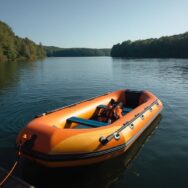
Scuba Diving in Seawolves Cove, Marion Bay,
South Australia Australia
Maximum depth:
39.3ft/12m
Visibility:
Up to 50ft/15m
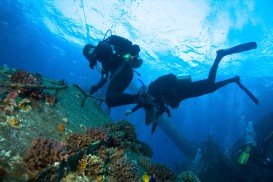
Seawolves Cove is a rocky spot for scuba diving, located in Marion Bay, Yorke Peninsula. Minimum winter temperatures average around 4°C/39.2°F and the maximum can reach 40°C/104°F during summer.
Due to the colder southern ocean waters, a wetsuit is often required for skin-diving or scuba diving activities or for any prolonged periods in the water even in the warmer summer months. Air refills for scuba tanks are available at various locations throughout Yorke Peninsula. However, there is only a diving school which is based in Adelaide, organizing scuba diving in Seawolves Cove, accessible by boat from Marion Bay.
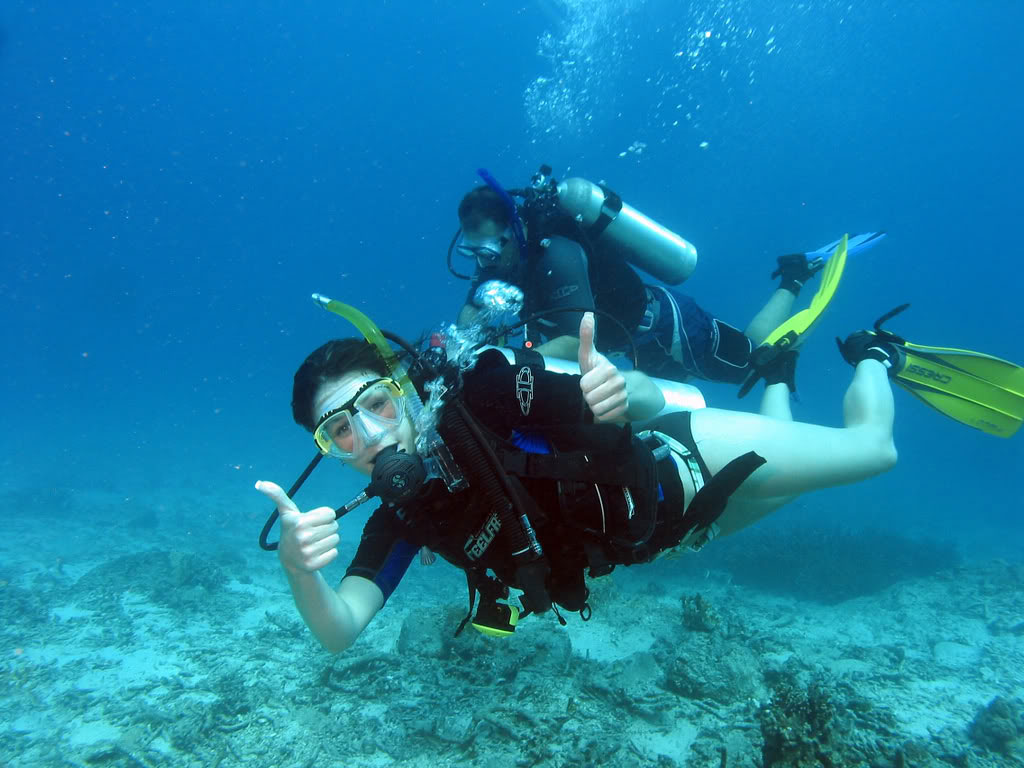
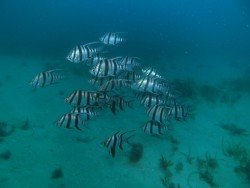
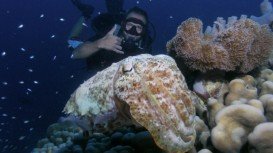
The spot is recommended only for advanced practitioners since it is a shallow dive. The max depth of the dive spot is at 12 m/39 ft while the average visibility is at 15 m/49 ft long. Usually there are no underground currents so let yourself get seduced by the beauty and the variety of the marine life of the spot: sweeps, bulls-eyes fishes , Blue Devils fishes, boar-fishes, blue groupers and crayfishes.
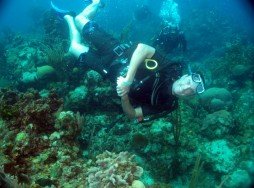
The marine life is amazing and the corals and sponges cover the colors of the entire rainbow. Accommodation options and leisure activities are located in Marion Bay, while the Innes National Park gives you a good chance to redefine your touch with nature.
Bare Island is a small island, at about 16 km/9 mi in the south-east of Sydney's CBD (Central Business District). Bare Island is on the north side of Botany Bay and it is connected with a wooden bridge to the suburb of La Perouse. It is famous not only from the movie Mission Impossible II, but also from the number of dives that offers in the one site.
Fort Lauderdale's city is located on the southeast coast of Florida State, between Palm Beach and Miami. Commonly known as the "Venice of America" and being bordered by the Atlantic Ocean with numerous scenic inland waterways, this place is a paradise for visitors and home to many outdoor activities for all ages and skill levels.
The island nation of Maldives is found in the Indian Ocean, southwest of India and Sri Lanka in the Laccadive Sea or Lakshadweep Sea. Comprised of more than a thousand islands grouped in 26 atolls, it enjoys a tropical climate with hot and humid days and temperatures around 24-33°C/75-91°F year-round. The southwest Monsoon brings significant rain to the area from April to October, particularly June to August. Don't let the rain deter you from visiting though, as what you can suspect from the coconut palm and the yellow-fin tuna, symbols of this island nation, the Maldives is a paradise on earth synonym to memorable experiences!
Kailua Kona is located in the North Kona District, Hawaii. It is a lively seaside town with sunny tropical weather all year long and lies at the bottom of the Hualalai Volcano.
Adelaide, the liveliest city in Australia, is the capital of South Australia state. The city is situated on the Adelaide Plains and more specifically at the north side of Fleurieu Peninsula. It is built next to Torrens River and is surrounded by the Mount Lofty Ranges and the Gulf St Vincent.
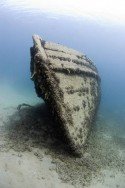
Grand Traverse Bay is a 32 mi/ 51km long and a 10 mi/ 16 km wide bay, divided in two parts by the old Mission Peninsula. The Grand Traverse Bay Underwater Preserve, founded in 2005, holds the wrecks of many ships lost in the area the previous years.
Adelaide, the liveliest city in Australia, is the capital of South Australia state. The city is situated on the Adelaide Plains and more specifically at the north side of Fleurieu Peninsula. The city is built next to Torrens River and is surrounded by the Mount Lofty Ranges and the Gulf St Vincent.
Adelaide, the liveliest city in Australia, is the capital of South Australia state. The city is situated on the Adelaide Plains and more specifically at the north side of Fleurieu Peninsula. The city is built next to Torrens River and is surrounded by the Mount Lofty Ranges and the Gulf St Vincent.
Adelaide, the liveliest city in Australia, is the capital of South Australia state. The city is situated on the Adelaide Plains and more specifically at the north side of Fleurieu Peninsula. The city is built next to Torrens River and is surrounded by the Mount Lofty Ranges and the Gulf St Vincent.
Whyalla is located on the western shore of upper Spencer Gulf, at 394 km/244 mi in the northwest of Adelaide, in South Australia. Dolphins and bird-life often frequent the waters, while the rocky coastline is a popular destination for scuba diving.
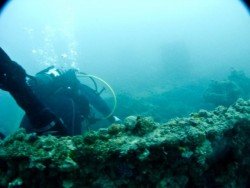
The Zanoni Shipwreck, located at 10 nautical miles off the coast of Ardrossan, is one of the well preserved shipwrecks in Australia and one of the most complete 19th century's shipwrecks in South Australia.
Adelaide, the liveliest city in Australia, is the capital of South Australia state and is situated on the Adelaide Plains and more specifically at the north side of Fleurieu Peninsula. The city is built next to Torrens River and is surrounded by the Mount Lofty Ranges and the Gulf St Vincent.
Adelaide, the liveliest city in Australia, is the capital of South Australia state and is situated on the Adelaide Plains and more specifically at the north side of Fleurieu Peninsula. It was built next to Torrens River and is surrounded by the Mount Lofty Ranges and the Gulf St Vincent. The climate is considered to be Mediterranean, with dry and hot summers and temperatures that can reach up to 42°C/107.6F°, and humid and cool winters with frequent rainfalls.
Adelaide, the liveliest city in Australia, is the capital of South Australia state and is situated on the Adelaide Plains and more specifically at the north side of Fleurieu Peninsula. The city is built next to Torrens River and is surrounded by the Mount Lofty Ranges and the Gulf St Vincent. The climate is considered to be Mediterranean, with dry and hot summers when temperatures can reach up to 42°C/107.60°F, and humid and cool winters with frequent rainfalls.