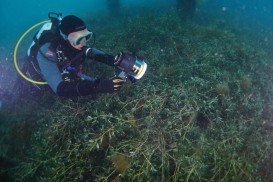
Ol’khon North, Lake Baikal, Siberia
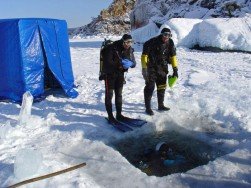
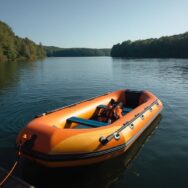
Lake Baikal is a rift lake, situated in the south of the region of Siberia, between the Republic of Buryatiya to the southeast and the Irkutsk Oblast to the northwest.
Home  > WATER SPORTS  > Scuba Diving  > Little Bay Beach, Little Bay
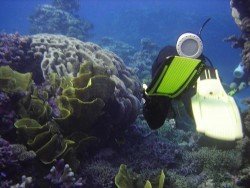
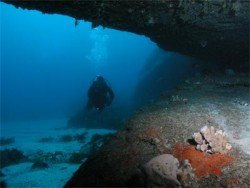
Entry can be made from the rocks on the southern end of the beach. After entering, go up over the rocks and you will see a small break-wall. Follow this and admire lots of overhangs, swimthroughs and small canyons. The maximum depth of the dive site is at 15 m/49.2 ft. The spot is appropriate for all levels of divers.
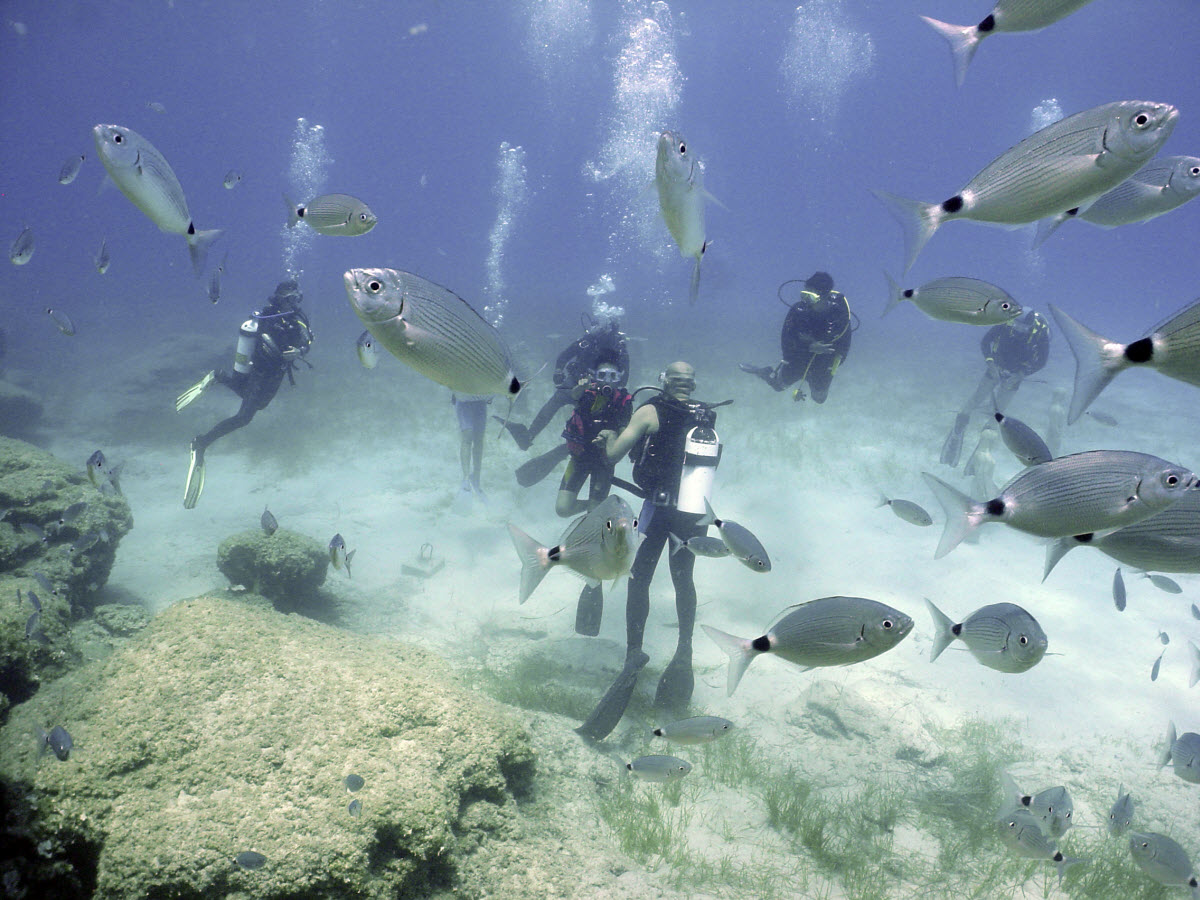
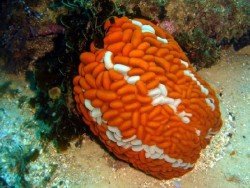
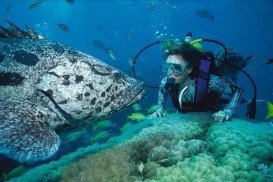
Visibility rate is pretty good on high tide. Water temperature is up to 21°C/69.8°F in summer and early autumn months and between 14-18°C/57.2-64.4°F in winter. Expect to see giant cuttlefish, octopus, morey eels, schools of old wife, pipefish, yellow-tail and the occasional King fish. Note: it is also an excellent spot for night dive.

Lake Baikal is a rift lake, situated in the south of the region of Siberia, between the Republic of Buryatiya to the southeast and the Irkutsk Oblast to the northwest.
The Virgin Islands of the United States, or the U.S. Virgin Islands lie in the Caribbean Sea, east of Puerto Rico. This group of islands consist of the main islands of Saint Thomas, which is home to the capital city of the U.S. Virgin Islands, Saint John, Saint Croix, Water Island and other surrounding minor islands.The climate here is classified as tropical savanna climate, mostly affected by moderate trade winds.
Clovelly is a beach-side suburb of Sydney, at about 8 km/4 mi in the south-east of Sydney's CBD (Central Business District).
Victoria is the second-smallest state of Australia. It borders with New South Wales to the north and Tasman Sea to the east. The unique combination of spectacular coastline, pristine beaches, numerous national parks, dense forests and mountains attract visitors all year long and offer a plethora of activities to sport lovers.
One of Sydney's most popular dive sites is Camp Cove beach. Located at the southern shore of Sydney's Harbor, Camp Cove is a small sheltered beach of only 250 m/820 ft long. Apart from breathtaking views of the Sydney's CBD and the Pacific Ocean, Camp Cove beach offers a variety of water sports.
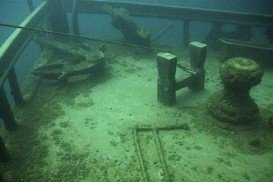
The Straits of Mackinac Underwater Preserve lies at the northern tip of Lakes Michigan and Huron and tries to preserve Michigan’s shipwrecks for later generations. Over the years, a large number of ships have submerged in the Straits, many of them have yet to be discovered.
Collaroy is a suburb in northern Sydney, about 22 km/13 mi north-east of Sydney CBD (central business district). It is a small village built in a stunning setting with some good cafes, bars and restaurants.
South Head is the southern headland of the entrance to Sydney's Harbor, at the north of the suburb of Watsons Bay. Hornby Lighthouse, the third oldest lighthouse in New South Wales, is located in South Head.
North Head is the northern headland of the entrance to Sydney Harbour. All along this section, there are several excellent dive sites.
Cronulla is a beach-side suburb in southern Sydney, at about 26 km/16 mi in the south of Sydney's CBD (Central Business District). Cronulla lies on a peninsula, between Botany Bay on the north and Port Hacking on the south. Cronulla is a popular tourist location and attracts many beach enthusiasts.
South Head is the southern headland of the entrance to Sydney's Harbor, at the north of the suburb of Watsons Bay. Hornby Lighthouse, the third oldest lighthouse in New South Wales, is located in South Head.
North Head is the northern headland of the entrance to Sydney Harbor. All along this section, there are several excellent dive sites.
Dee Why is a suburb of northern Sydney, at about 18km/11mi north-east of Sydney's CBD (Central Business District). Dee Why caters a variety of dining and accommodation options to suit different needs and budgets.
Coogee is a beach-side suburb of Sydney, at about 8 km/4 mi in the south-east of Sydney's CBD (Central Business District).